

Is High Silica Fiber Tape suitable for cryogenic applications?
Nov 07, 2026
When it comes to cryogenic applications, the choice of materials is crucial. Cryogenic environments, typically characterized by extremely low temperatures, pose unique challenges for any material used. As a supplier of High Silica Fiber Tape, I have often been asked whether this product is suitable for cryogenic applications. In this blog post, I will explore the properties of High Silica Fiber Tape and analyze its potential for use in cryogenic environments.
Understanding High Silica Fiber Tape
High Silica Fiber Tape is a high - performance insulation material made from high - silica fibers. These fibers are derived from quartz and have a high silica content, usually above 96%. This high silica content gives the tape a series of excellent properties.
The High Silica Fiber Tape has outstanding thermal insulation properties. It can withstand extremely high temperatures, up to 1000°C or even higher in some cases. This makes it a popular choice in high - temperature applications such as furnace insulation, aerospace thermal protection systems, and industrial heat shields.
In addition to its thermal resistance, High Silica Fiber Tape also has good chemical stability. It is resistant to most chemicals, including acids and alkalis, which expands its application scope in various industrial environments. Moreover, it has low thermal conductivity, which helps to reduce heat transfer and improve energy efficiency in high - temperature systems.
Challenges in Cryogenic Applications
Cryogenic applications involve temperatures ranging from - 150°C to close to absolute zero (- 273.15°C). At these extremely low temperatures, materials face several challenges.
One of the main challenges is thermal contraction. As the temperature drops, materials tend to contract. If a material has a high coefficient of thermal expansion (CTE), this contraction can cause stress and strain within the material, leading to cracking, breakage, or delamination. Another challenge is embrittlement. Many materials become brittle at cryogenic temperatures, losing their ductility and toughness, which can make them easily fracture under mechanical stress.
Furthermore, materials in cryogenic applications need to have good insulation properties to prevent heat leakage into the system. Any heat transfer can cause the cryogenic fluid or gas to warm up, which may affect the performance and efficiency of the entire system.
Analysis of High Silica Fiber Tape for Cryogenic Applications
1. Thermal Contraction
High silica fibers have a relatively low coefficient of thermal expansion. This means that when exposed to cryogenic temperatures, the contraction of High Silica Fiber Tape is relatively small compared to some other materials. The low CTE helps to reduce the internal stress caused by thermal contraction, minimizing the risk of cracking and damage. This property is essential for maintaining the integrity of the material in cryogenic environments.
2. Embrittlement
Silica fibers are known for their high strength and stiffness even at low temperatures. While some degree of embrittlement may occur at cryogenic temperatures, the inherent strength of high silica fibers allows the tape to maintain a certain level of mechanical integrity. However, it is important to note that the mechanical properties of the tape may change at extremely low temperatures, and proper engineering design should take these changes into account.
3. Insulation Properties
High Silica Fiber Tape has low thermal conductivity, which is beneficial in cryogenic applications. The low thermal conductivity helps to prevent heat transfer from the surrounding environment into the cryogenic system, reducing the energy required to maintain the low temperature. This can lead to significant energy savings and improved efficiency in cryogenic systems.
4. Compatibility with Other Materials
In cryogenic applications, High Silica Fiber Tape may need to be used in combination with other materials. It has good compatibility with many common materials such as metals and plastics. This compatibility allows it to be used in composite structures where different materials work together to meet the specific requirements of cryogenic systems.
Comparison with Other Materials Used in Cryogenic Applications
There are several other materials commonly used in cryogenic applications, such as fiberglass, polyurethane foam, and aerogels.

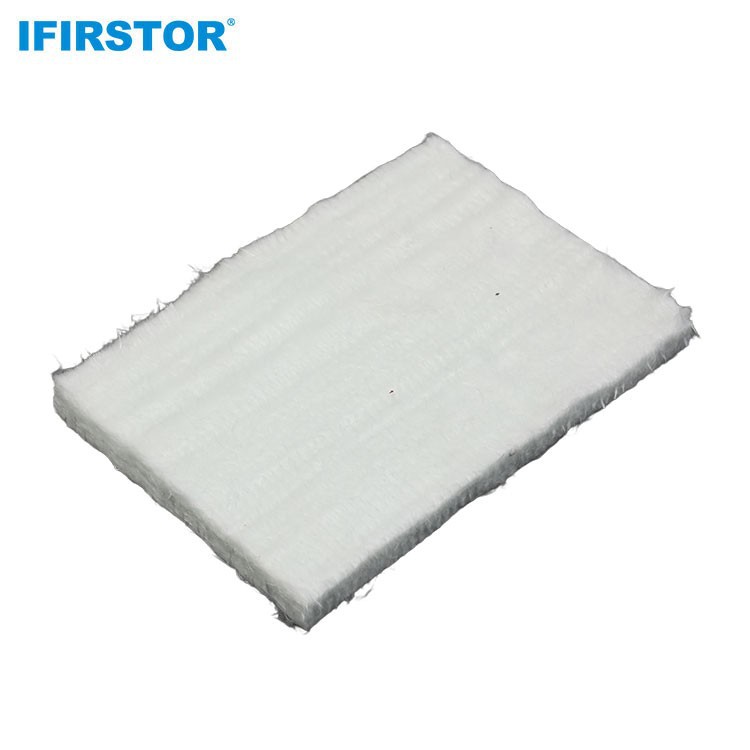
Fiberglass is a popular insulation material with relatively good insulation properties. However, its mechanical properties may degrade more significantly at cryogenic temperatures compared to High Silica Fiber Tape. Polyurethane foam has good insulation performance but may have issues with shrinkage and degradation over time in cryogenic environments. Aerogels are excellent insulators, but they are often more expensive and fragile compared to High Silica Fiber Tape.
In comparison, High Silica Fiber Tape offers a balance between insulation performance, mechanical properties, and cost - effectiveness. It can be a competitive option for cryogenic applications, especially in situations where high - strength and long - term stability are required.
Real - World Applications and Case Studies
Although the use of High Silica Fiber Tape in cryogenic applications is not as widespread as in high - temperature applications, there are some real - world examples where it has been successfully used.
In some cryogenic storage tanks, High Silica Fiber Tape has been used as an insulation layer. Its low thermal conductivity helps to reduce the heat ingress into the tank, keeping the cryogenic fluid at a stable low temperature. Additionally, its mechanical stability ensures the long - term integrity of the insulation system, even under the stress of thermal cycling.
In aerospace cryogenic systems, such as those used in rocket fuel storage and delivery, the tape's high strength and low thermal expansion properties make it a suitable candidate for insulation and protection. The tape can withstand the extreme temperature changes during rocket launches and flights, providing reliable thermal insulation for the cryogenic components.
Other High Silica Fiber Products for Cryogenic Applications
In addition to High Silica Fiber Tape, our company also offers other high - silica fiber products that may be suitable for cryogenic applications.
The High Silica Fiber Fabric can be used as a flexible insulation layer in cryogenic equipment. Its fabric structure allows it to conform to complex shapes, providing better coverage and insulation. The High Silica Fiber Cord can be used for sealing and gasketing applications in cryogenic systems. Its high - strength and thermal resistance properties ensure a reliable seal even at low temperatures.
The High Silica Fiber Felt is another option for cryogenic insulation. It has a high porosity, which contributes to its low thermal conductivity. The High Silica Fiber Chopped Strand can be used as a filler material in composite insulation structures, enhancing the insulation performance and mechanical strength of the overall system.
Conclusion and Call to Action
In conclusion, High Silica Fiber Tape shows great potential for use in cryogenic applications. Its low thermal expansion, relatively good mechanical properties at low temperatures, and low thermal conductivity make it a suitable candidate for various cryogenic systems. However, like any material, it has its limitations, and proper engineering design and testing are necessary to ensure its reliable performance in specific cryogenic environments.
If you are involved in cryogenic applications and are looking for high - performance insulation materials, I encourage you to consider High Silica Fiber Tape and our other high - silica fiber products. We have extensive experience in producing and supplying these materials and can provide technical support and customized solutions to meet your specific needs. Contact us to start a discussion about your requirements and explore how our products can fit into your cryogenic projects.
References
- "Materials Science for Cryogenic Applications," John Wiley & Sons.
- "High - Temperature and Cryogenic Materials Handbook," ASM International.
- Industry research reports on high - silica fiber materials.