

What is the sound absorption coefficient of High Silica Fiber Chopped Strand?
Apr 11, 2026
What is the sound absorption coefficient of High Silica Fiber Chopped Strand?
In the field of materials science, High Silica Fiber Chopped Strand has gained significant attention for its unique properties and wide - ranging applications. As a supplier of High Silica Fiber Chopped Strand, I am often asked about the sound absorption coefficient of this remarkable material. In this blog, we will delve into the concept of the sound absorption coefficient, how it relates to High Silica Fiber Chopped Strand, and its implications in various industries.
Understanding the Sound Absorption Coefficient
The sound absorption coefficient is a measure of how effectively a material can absorb sound energy. It is expressed as a number between 0 and 1. A coefficient of 0 means that the material reflects all the sound energy, while a coefficient of 1 indicates that the material absorbs all the sound energy. This coefficient is crucial in applications where noise reduction is a priority, such as in acoustic insulation for buildings, automotive interiors, and industrial machinery enclosures.
The sound absorption ability of a material depends on several factors, including its density, porosity, and the structure of its fibers. When sound waves hit a material, they cause the air particles within the material to vibrate. If the material has a high sound absorption coefficient, these vibrations are converted into heat energy, effectively reducing the amount of sound that is reflected back into the environment.
Sound Absorption Properties of High Silica Fiber Chopped Strand
High Silica Fiber Chopped Strand is a type of inorganic fiber with a high silica content, typically above 96%. This material is known for its excellent thermal resistance, chemical stability, and mechanical strength. In terms of sound absorption, High Silica Fiber Chopped Strand has some unique characteristics.
The porous structure of High Silica Fiber Chopped Strand plays a key role in its sound absorption ability. The small spaces between the fibers allow sound waves to penetrate the material. As the sound waves travel through these pores, they interact with the fiber surfaces, causing friction. This friction converts the sound energy into heat energy, resulting in sound absorption.
The length and diameter of the chopped strands also affect the sound absorption coefficient. Generally, shorter and finer strands provide more surface area for sound wave interaction, leading to better sound absorption. Additionally, the density of the High Silica Fiber Chopped Strand can be adjusted during the manufacturing process to optimize its sound absorption performance.
Applications in Sound - Absorbing Products
The sound absorption properties of High Silica Fiber Chopped Strand make it suitable for a variety of applications.
In the construction industry, it can be used as an acoustic insulation material in walls, ceilings, and floors. By incorporating High Silica Fiber Chopped Strand into insulation panels, buildings can achieve better soundproofing, reducing noise from the outside and between different rooms. This is particularly important in residential buildings, offices, and public spaces where a quiet environment is desired.
In the automotive industry, High Silica Fiber Chopped Strand can be used in the interior of vehicles to reduce engine noise, road noise, and wind noise. By adding this material to the car's insulation layers, manufacturers can improve the comfort of the passengers and enhance the overall driving experience.
In industrial settings, High Silica Fiber Chopped Strand can be used to line machinery enclosures. This helps to reduce the noise generated by industrial equipment, protecting workers from excessive noise exposure and complying with noise regulations.
Comparison with Other Sound - Absorbing Materials
When compared to other common sound - absorbing materials such as fiberglass and mineral wool, High Silica Fiber Chopped Strand has several advantages.
Fiberglass is a widely used sound - absorbing material, but it may release small fibers into the air, which can be a health hazard. High Silica Fiber Chopped Strand, on the other hand, is more environmentally friendly and safer to handle. It also has better thermal resistance, making it suitable for applications where high temperatures are involved.
Mineral wool is another popular sound - absorbing material. However, it may have a lower sound absorption coefficient in certain frequency ranges compared to High Silica Fiber Chopped Strand. High Silica Fiber Chopped Strand can be engineered to have a more consistent sound absorption performance across a wider range of frequencies.
Factors Affecting the Sound Absorption Coefficient of High Silica Fiber Chopped Strand
Several factors can influence the sound absorption coefficient of High Silica Fiber Chopped Strand.
The thickness of the material is an important factor. Generally, a thicker layer of High Silica Fiber Chopped Strand will have a higher sound absorption coefficient. This is because the sound waves have more distance to travel through the material, increasing the chances of energy conversion.
The installation method also matters. If the High Silica Fiber Chopped Strand is installed in a way that allows for proper air circulation within the material, it can enhance the sound absorption performance. For example, leaving some air gaps behind the material can improve its ability to absorb sound.
The frequency of the sound waves is another crucial factor. Different materials have different sound absorption characteristics at different frequencies. High Silica Fiber Chopped Strand can be designed to have optimal sound absorption at specific frequencies, depending on the application requirements.
Measuring the Sound Absorption Coefficient
To determine the sound absorption coefficient of High Silica Fiber Chopped Strand, specialized testing equipment is used. One common method is the reverberation chamber test. In this test, the material is placed in a reverberation chamber, and a sound source is used to generate sound waves. The decay of the sound energy in the chamber is measured with and without the material present. By comparing the decay times, the sound absorption coefficient can be calculated.
Another method is the impedance tube test. In this test, a small sample of the material is placed in an impedance tube, and a sound wave is sent through the tube. The reflection and transmission of the sound wave are measured, and the sound absorption coefficient is determined based on these measurements.
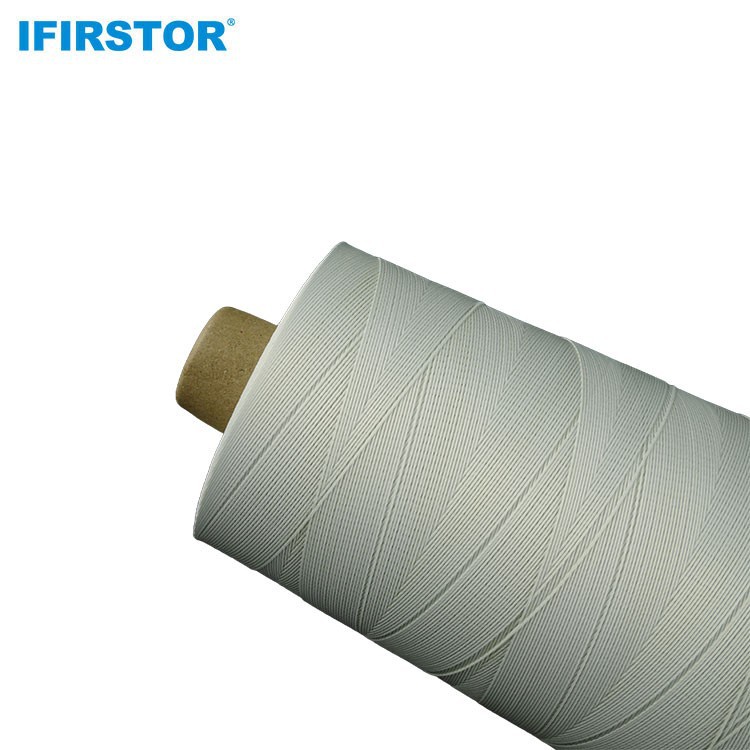

Our High Silica Fiber Chopped Strand Products
As a supplier of High Silica Fiber Chopped Strand, we offer high - quality products with excellent sound absorption properties. Our products are manufactured using advanced production techniques to ensure consistent quality and performance.
We also provide High Silica Fiber Mesh Fabric and High Silica Fiber Cord, which can be used in combination with High Silica Fiber Chopped Strand for enhanced sound absorption and other applications. Our High Silica Fiber Chopped Strand products are available in different lengths, diameters, and densities to meet the diverse needs of our customers.
Conclusion
The sound absorption coefficient of High Silica Fiber Chopped Strand is an important property that makes it a valuable material in various industries. Its porous structure, along with its ability to be engineered for specific sound absorption performance, makes it a competitive alternative to other sound - absorbing materials. Whether it is used in construction, automotive, or industrial applications, High Silica Fiber Chopped Strand can effectively reduce noise and create a more comfortable and quiet environment.
If you are interested in our High Silica Fiber Chopped Strand products or have any questions about their sound absorption properties, please feel free to contact us for procurement and further discussion. We are committed to providing high - quality products and excellent customer service.
References
- ASTM C423 - 17, Standard Test Method for Sound Absorption and Sound Absorption Coefficients by the Reverberation Room Method.
- ISO 10534 - 2:1998, Acoustics - Determination of sound absorption coefficient and impedance in impedance tubes - Part 2: Transfer - function method.