

Can fiberglass fabric be used for soundproofing?
Apr 30, 2026
Can fiberglass fabric be used for soundproofing?
As a supplier of fiberglass fabric, I often get asked about the various applications of our products, and one question that comes up frequently is whether fiberglass fabric can be used for soundproofing. In this blog post, I'll explore the science behind soundproofing, the properties of fiberglass fabric, and how it can be effectively used for this purpose.
Understanding Soundproofing
Sound is a form of energy that travels through the air in the form of waves. When these waves encounter an object, they can be absorbed, reflected, or transmitted. Soundproofing is the process of reducing the amount of sound that is transmitted through a material or structure. This can be achieved by using materials that absorb or reflect sound waves.
There are two main types of soundproofing: airborne soundproofing and impact soundproofing. Airborne soundproofing is used to reduce the transmission of sound through the air, such as voices, music, or traffic noise. Impact soundproofing, on the other hand, is used to reduce the transmission of sound caused by physical impact, such as footsteps or the slamming of doors.
Properties of Fiberglass Fabric
Fiberglass fabric is a versatile material that is made from fine glass fibers. It has several properties that make it suitable for soundproofing applications:

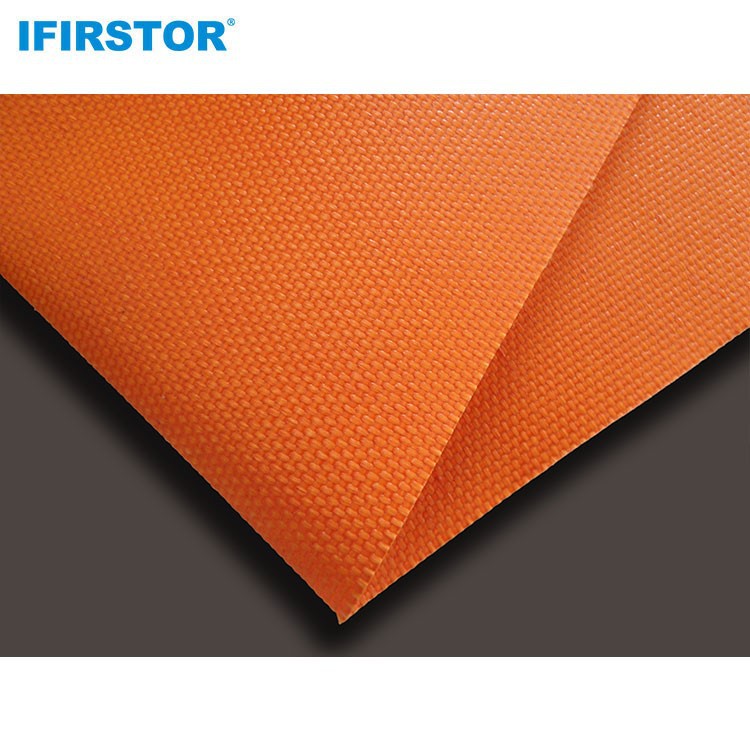
- High porosity: Fiberglass fabric has a high porosity, which means that it contains a large number of small pores. These pores allow sound waves to enter the fabric and be absorbed by the fibers.
- Low density: Fiberglass fabric has a low density, which means that it is lightweight and easy to handle. This makes it ideal for use in applications where weight is a concern, such as in aircraft or automotive interiors.
- High strength: Fiberglass fabric has a high strength-to-weight ratio, which means that it is strong and durable. This makes it suitable for use in applications where the fabric needs to withstand high levels of stress, such as in industrial settings.
- Fire resistance: Fiberglass fabric is fire-resistant, which means that it does not burn easily. This makes it suitable for use in applications where fire safety is a concern, such as in building construction.
Using Fiberglass Fabric for Soundproofing
Fiberglass fabric can be used for soundproofing in a variety of applications, including:
- Wall insulation: Fiberglass fabric can be used as insulation in walls to reduce the transmission of sound. It can be installed between the studs of a wall or used as a lining on the interior of the wall.
- Ceiling insulation: Fiberglass fabric can also be used as insulation in ceilings to reduce the transmission of sound. It can be installed between the joists of a ceiling or used as a lining on the interior of the ceiling.
- Acoustic panels: Fiberglass fabric can be used to make acoustic panels, which are used to absorb sound in rooms. Acoustic panels can be installed on walls or ceilings to improve the acoustics of a room.
- Automotive interiors: Fiberglass fabric can be used in automotive interiors to reduce the transmission of sound. It can be used as a lining on the doors, floors, and ceilings of a vehicle to improve the comfort of the passengers.
Types of Fiberglass Fabric for Soundproofing
There are several types of fiberglass fabric that can be used for soundproofing, including:
- Aerogel Blanket (Felt): Aerogel Blanket (Felt) is a type of fiberglass fabric that is made from a combination of glass fibers and aerogel. Aerogel is a lightweight, porous material that has excellent insulation properties. Aerogel Blanket (Felt) is highly effective at absorbing sound and is often used in applications where high levels of soundproofing are required.
- Aluminum Foil Laminated Fiberglass Fabric: Aluminum Foil Laminated Fiberglass Fabric is a type of fiberglass fabric that is laminated with aluminum foil. The aluminum foil reflects sound waves, while the fiberglass fabric absorbs them. This makes Aluminum Foil Laminated Fiberglass Fabric highly effective at reducing the transmission of sound.
- PVC Coated Fiberglass Fabric: PVC Coated Fiberglass Fabric is a type of fiberglass fabric that is coated with PVC. The PVC coating provides additional protection against moisture and chemicals, while the fiberglass fabric absorbs sound. PVC Coated Fiberglass Fabric is often used in applications where the fabric needs to be resistant to harsh environments.
Factors to Consider When Using Fiberglass Fabric for Soundproofing
When using fiberglass fabric for soundproofing, there are several factors that need to be considered:
- Thickness: The thickness of the fiberglass fabric will affect its soundproofing performance. Generally, the thicker the fabric, the better the soundproofing.
- Density: The density of the fiberglass fabric will also affect its soundproofing performance. Generally, the higher the density, the better the soundproofing.
- Installation method: The installation method of the fiberglass fabric will also affect its soundproofing performance. It is important to ensure that the fabric is installed correctly and that there are no gaps or holes in the installation.
- Environmental conditions: The environmental conditions in which the fiberglass fabric is used will also affect its soundproofing performance. For example, if the fabric is exposed to high levels of moisture or chemicals, its soundproofing performance may be reduced.
Conclusion
In conclusion, fiberglass fabric can be effectively used for soundproofing in a variety of applications. Its high porosity, low density, high strength, and fire resistance make it an ideal material for soundproofing. There are several types of fiberglass fabric that can be used for soundproofing, including Aerogel Blanket (Felt), Aluminum Foil Laminated Fiberglass Fabric, and PVC Coated Fiberglass Fabric. When using fiberglass fabric for soundproofing, it is important to consider factors such as thickness, density, installation method, and environmental conditions.
If you are interested in using fiberglass fabric for soundproofing, please contact us to discuss your specific requirements. We are a leading supplier of fiberglass fabric and can provide you with high-quality products and expert advice.
References
- "Soundproofing Materials and Techniques." The Spruce. https://www.thespruce.com/soundproofing-materials-and-techniques-1821993
- "Fiberglass Insulation: How It Works and Why It's Effective." Energy.gov. https://www.energy.gov/energysaver/fiberglass-insulation-how-it-works-and-why-its-effective
- "Acoustic Panels: How They Work and Why You Need Them." Acoustic Fields. https://acousticfields.com/acoustic-panels-how-they-work-and-why-you-need-them/