

What materials are used to make an EV fire blanket?
Jun 13, 2026
As an EV fire blanket supplier, I am often asked about the materials used to make these essential safety products. In this blog post, I will delve into the various materials that go into manufacturing EV fire blankets, their properties, and why they are crucial for combating electric vehicle fires.
Understanding the Need for EV Fire Blankets
Electric vehicles (EVs) have gained significant popularity in recent years due to their environmental benefits and energy efficiency. However, the high - voltage batteries in EVs pose a unique fire risk. When an EV battery catches fire, it can release large amounts of heat, toxic gases, and can be extremely difficult to extinguish. EV fire blankets are designed to smother the fire, cut off the oxygen supply, and prevent the spread of flames and heat.
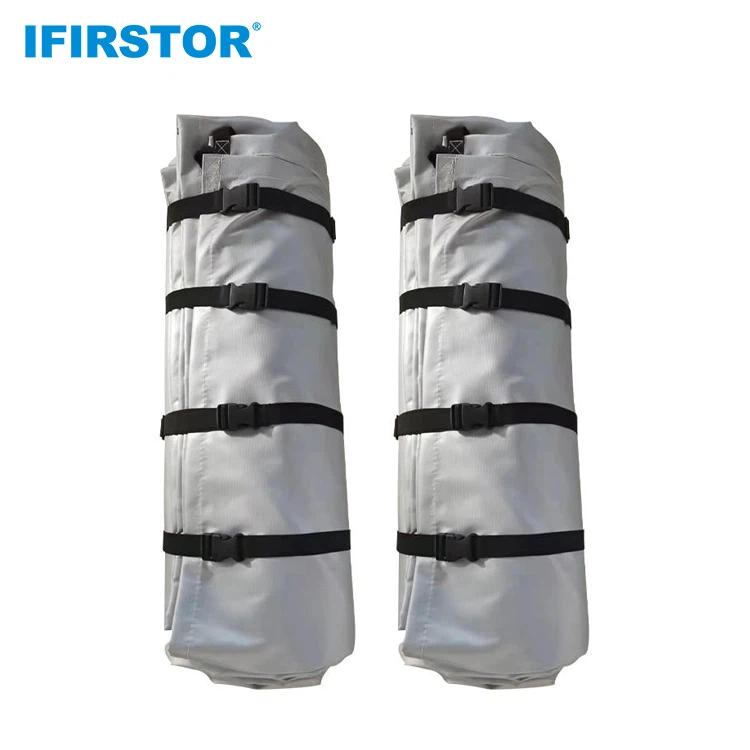

Materials Used in EV Fire Blankets
Fiberglass
Fiberglass is one of the most commonly used materials in EV fire blankets. It is made from extremely fine fibers of glass. Fiberglass has several properties that make it suitable for fire - fighting applications.
- High - temperature resistance: Fiberglass can withstand high temperatures without melting or catching fire. It can typically resist temperatures up to 500 - 1000 degrees Celsius, depending on the specific type of fiberglass used. This property allows the fire blanket to be placed directly on a burning EV battery without being destroyed by the intense heat.
- Insulation: Fiberglass is an excellent insulator. It helps to reduce the transfer of heat from the fire to the surrounding environment, protecting nearby objects and people. This insulation property is crucial in preventing the fire from spreading to other parts of the vehicle or adjacent areas.
- Flexibility: Fiberglass blankets are relatively flexible, which makes them easy to handle and wrap around the burning object. This flexibility allows for better coverage of the fire source, ensuring more effective smothering. You can find more information about fire blankets like these on our Fireproof Blanket page.
Silica
Silica is another important material used in EV fire blankets. Silica blankets are made from pure silica fibers.
- Exceptional heat resistance: Silica can withstand extremely high temperatures, often up to 1200 degrees Celsius or more. This makes it ideal for dealing with the intense heat generated by EV battery fires.
- Low thermal conductivity: Similar to fiberglass, silica has low thermal conductivity, which means it does not transfer heat easily. This helps in containing the fire and protecting the user from the heat.
- Chemical stability: Silica is chemically stable and does not react with most chemicals. This is important as EV battery fires can release various chemicals, and the fire blanket needs to remain stable in such an environment.
Aramid Fibers
Aramid fibers, such as Kevlar, are also used in the production of EV fire blankets.
- High strength: Aramid fibers are known for their high strength - to - weight ratio. They are stronger than steel on a weight - for - weight basis. This strength allows the fire blanket to withstand the mechanical stresses during use, such as being pulled or wrapped around a burning object.
- Flame resistance: Aramid fibers are inherently flame - resistant. They do not melt or drip when exposed to fire, which is a crucial safety feature. Instead, they form a char layer that helps to insulate the fire and prevent its spread.
- Flexibility and durability: These fibers offer good flexibility, making the fire blanket easy to handle, and they are also highly durable, ensuring a long service life.
Vermiculite
Vermiculite is a mineral that is sometimes used in EV fire blankets.
- Insulating properties: Vermiculite has excellent insulating properties. When heated, it expands and forms a lightweight, insulating layer. This layer helps to reduce the heat transfer from the fire, protecting the user and the surrounding area.
- Non - combustible: Vermiculite is non - combustible, which means it will not contribute to the fire. It can be used as a filler or coating in fire blankets to enhance their fire - fighting capabilities.
Manufacturing Process
The manufacturing process of EV fire blankets involves several steps. First, the raw materials are selected based on their properties and the requirements of the fire blanket. For example, if high - temperature resistance is a top priority, silica or aramid fibers may be chosen.
The fibers are then processed to form a fabric. This can involve weaving or needling the fibers together to create a strong and uniform material. After the fabric is formed, it may be treated with special coatings to enhance its fire - resistant properties. These coatings can help to improve the blanket's ability to smother the fire and prevent the spread of flames.
Quality control is an important part of the manufacturing process. Each fire blanket is tested to ensure that it meets the required standards for fire resistance, strength, and other properties. This helps to ensure that the fire blankets are reliable and effective in real - world fire situations.
Importance of Using the Right Materials
Using the right materials in EV fire blankets is crucial for their effectiveness. A fire blanket made from low - quality or inappropriate materials may not be able to withstand the high temperatures of an EV battery fire or may not be able to smother the fire effectively. This can put the lives of users and the surrounding environment at risk.
By using high - quality materials such as fiberglass, silica, aramid fibers, and vermiculite, we can ensure that our EV Fire Blanket can provide reliable protection in case of an EV fire. These materials have been carefully selected and tested to meet the strict requirements of the industry.
Other Applications of Fire - Resistant Materials
The materials used in EV fire blankets also have other applications. For example, fiberglass and aramid fibers are commonly used in Welding Blanket applications. Welding produces a lot of heat and sparks, and these fire - resistant materials can protect the surrounding area from potential fires.
Contact Us for Procurement
If you are interested in purchasing EV fire blankets or have any questions about our products, we encourage you to reach out to us. Our team of experts is ready to assist you in finding the right fire - protection solution for your needs. Whether you are an individual, a business, or an organization, we can provide you with high - quality fire blankets that meet your requirements.
References
- ASTM International. (2023). Standard test methods for fire tests of textile materials. ASTM D6413 - 23.
- National Fire Protection Association. (2022). NFPA 101: Life Safety Code.
- International Electrotechnical Commission. (2021). IEC 62619: Secondary batteries and battery installations for use in industrial applications - Safety requirements for secondary lithium cells and batteries for use in industrial applications.