

What is the surface area of High Silica Fiberglass Filters?
Nov 23, 2026
When it comes to High Silica Fiberglass Filters, one of the frequently pondered questions is, "What is the surface area of High Silica Fiberglass Filters?" Well, let's dive right in and break it down in a way that's easy to understand.
First off, I'm a supplier of High Silica Fiberglass Filters. These filters are pretty amazing in the world of molten metal filtration. They're used in a bunch of industries, especially those dealing with molten aluminum and other metals. The surface area of these filters plays a crucial role in how well they work.
The surface area of High Silica Fiberglass Filters isn't a one - size - fits - all kind of thing. It depends on several factors. One of the main factors is the design of the filter. Filters can come in different shapes and forms, like rolls or custom - made pieces. For instance, a Coated Fiberglass Fabric Foundry Filter In Roll might have a different surface area compared to a High Silica Fiberglass Filters that's cut into a specific shape for a particular application.
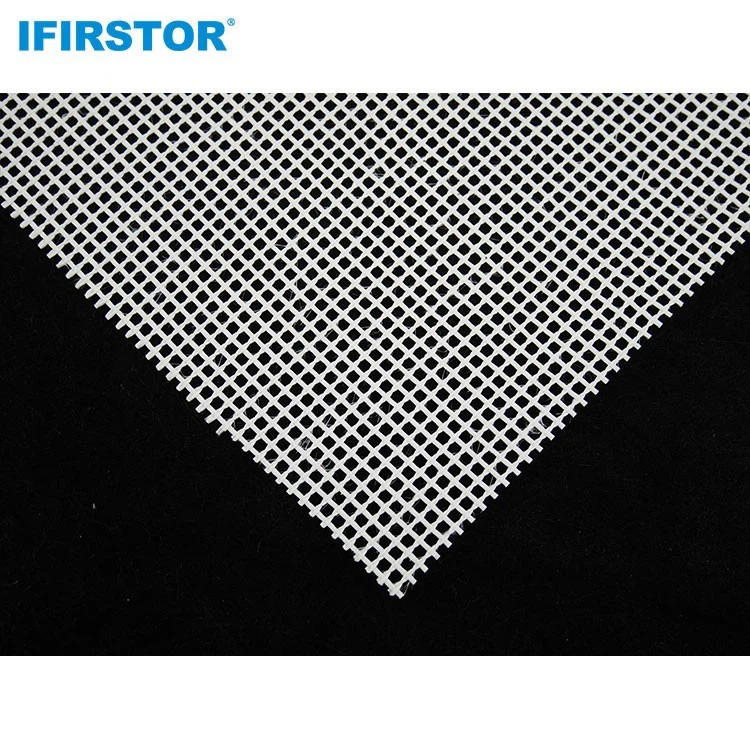

The density of the fiberglass also affects the surface area. High silica fiberglass can be made with different fiber densities. If the fibers are more tightly packed, the available surface area for filtration might be reduced. On the other hand, a more loosely woven or structured filter will generally have a larger surface area. This is important because a larger surface area means more space for the molten metal to pass through and for impurities to get caught.
Let's talk about why the surface area matters so much. When molten metal, say molten aluminum, passes through a High Silica Fiberglass Filter, the impurities in the metal need to come into contact with the filter material. The larger the surface area of the filter, the more chances there are for these impurities to stick to the filter fibers. This results in a cleaner, higher - quality molten metal that can be used to make better - quality products.
For example, in the production of aluminum parts, using a Molten Aluminum Filtration Fabric with a sufficient surface area can significantly reduce the number of defects in the final product. Defects like porosity, inclusions, and other imperfections can be minimized, leading to more reliable and durable aluminum parts.
Now, how do we measure the surface area of these filters? Well, it's not as straightforward as measuring the area of a flat piece of paper. Specialized equipment and techniques are used. One common method is the BET (Brunauer - Emmett - Teller) method. This method measures the surface area by analyzing the adsorption of gas molecules on the filter material. It gives a more accurate picture of the available surface area for filtration.
Another aspect to consider is the surface area in relation to the flow rate of the molten metal. If the surface area is too small for the amount of molten metal flowing through the filter, it can lead to clogging. Clogging not only reduces the efficiency of the filtration process but can also cause back - pressure, which might damage the filter or the equipment.
On the other hand, if the surface area is too large for the flow rate, it might be a waste of resources. The filter might not be fully utilized, and you could end up spending more on a larger filter than necessary. So, finding the right balance is crucial.
As a supplier, I've seen firsthand how important it is to choose the right High Silica Fiberglass Filter with an appropriate surface area. We offer a variety of options, from Uncoated Fiberglass Fabrics Mesh Filters in Rolls to Aluminum Melt Filter Screen. Each type has its own unique surface area characteristics, and our team can help you select the one that best suits your needs.
If you're in the market for molten metal filtration, and you're not sure which High Silica Fiberglass Filter with the right surface area is right for you, don't hesitate to reach out. We're here to provide you with the best products and advice to ensure your filtration process runs smoothly and efficiently. Whether you're dealing with a small - scale operation or a large - scale industrial plant, we have the solutions to meet your requirements.
So, if you want to enhance the quality of your molten metal products and optimize your filtration process, it's time to consider the surface area of High Silica Fiberglass Filters seriously. Contact us today to start a conversation about your specific needs and find the perfect filter for your application.
References
- Standard textbooks on materials science and metal filtration technology.
- Industry - specific research papers on molten metal filtration.