

What is the impact of the ambient temperature on the performance of an aluminum melt filter screen?
May 02, 2026
Ambient temperature plays a crucial role in various industrial processes, and the performance of an aluminum melt filter screen is no exception. As a leading supplier of Aluminum Melt Filter Screens, we have witnessed firsthand the impact of ambient temperature on the functionality and efficiency of these filters. In this blog, we will delve into the scientific aspects of how ambient temperature affects the performance of aluminum melt filter screens and why it is essential for manufacturers to consider this factor.
Understanding the Basics of Aluminum Melt Filter Screens
Aluminum melt filter screens are designed to remove impurities and inclusions from molten aluminum during the casting process. These filters are typically made from high - temperature resistant materials such as fiberglass or ceramic. They are placed in the path of the molten aluminum flow to trap solid particles, including oxides, dross, and other contaminants. The quality of the filtration process directly impacts the final quality of the aluminum products, such as castings, ingots, and extrusions.
The Influence of Ambient Temperature on Filter Material Properties
The ambient temperature can significantly affect the physical and chemical properties of the materials used in aluminum melt filter screens. For instance, high - temperature resistant fiberglass materials, which are commonly used in Molten Aluminum Filtration Fabric, can experience changes in their mechanical strength and flexibility as the ambient temperature fluctuates.
At lower ambient temperatures, the fiberglass may become more brittle. This brittleness can lead to cracking or breakage of the filter screen during handling or installation. A cracked filter screen will not be able to effectively trap contaminants, resulting in a decrease in filtration efficiency. On the other hand, at higher ambient temperatures, the fiberglass may soften, which can cause the filter to lose its shape and structural integrity. This can also lead to a reduction in the filter's ability to separate impurities from the molten aluminum.
Impact on Filtration Efficiency
The filtration efficiency of an aluminum melt filter screen is directly related to the ambient temperature. When the ambient temperature is too low, the viscosity of the molten aluminum increases. Higher viscosity makes it more difficult for the molten aluminum to pass through the filter screen. As a result, the flow rate of the molten aluminum decreases, and the filter may become clogged more quickly. This clogging reduces the overall filtration efficiency and can lead to an increase in the number of impurities in the final aluminum product.
Conversely, when the ambient temperature is too high, the molten aluminum becomes less viscous. While this may initially seem beneficial as it allows for a faster flow rate through the filter, it can also cause smaller particles to pass through the filter more easily. This means that the filter may not be able to effectively capture all the contaminants, leading to a lower - quality final product.
Thermal Expansion and Contraction
Another important aspect to consider is the thermal expansion and contraction of the filter screen. Different materials used in aluminum melt filter screens have different coefficients of thermal expansion. When the ambient temperature changes, the filter screen will expand or contract accordingly.

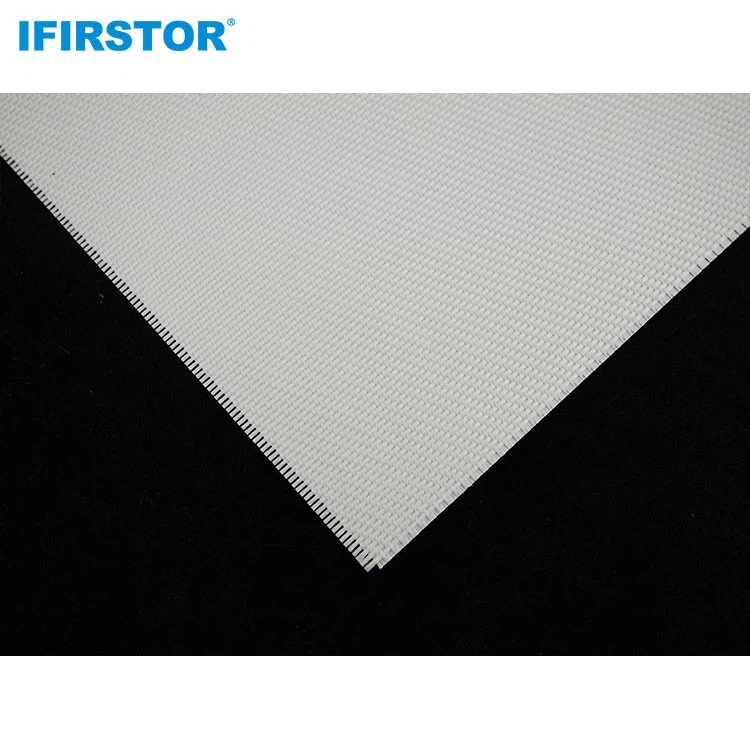
If the expansion or contraction is not properly accounted for, it can cause stress on the filter screen. This stress can lead to warping, cracking, or even detachment of the filter from its housing. For example, in High Silica Fiberglass Filters, improper handling of thermal expansion can result in a compromised filter structure, which in turn affects the filtration performance.
Effects on Filter Lifespan
The ambient temperature also has a significant impact on the lifespan of an aluminum melt filter screen. High ambient temperatures can accelerate the degradation of the filter material. The heat can cause chemical reactions within the filter, leading to the breakdown of the fibers or the coating on the filter. This degradation reduces the filter's ability to withstand the harsh conditions of the molten aluminum environment and shortens its lifespan.
On the other hand, low ambient temperatures can cause physical damage to the filter, as mentioned earlier. Frequent cracking and breakage due to low - temperature brittleness will also reduce the filter's lifespan. A shorter lifespan means more frequent filter replacements, which can increase the overall cost of the casting process.
Strategies to Mitigate the Impact of Ambient Temperature
To minimize the negative impact of ambient temperature on the performance of aluminum melt filter screens, manufacturers can take several measures. Firstly, proper storage of the filters is crucial. Filters should be stored in a temperature - controlled environment to prevent damage from extreme temperatures.
Secondly, during the installation process, it is important to ensure that the filter is properly aligned and secured. This can help to reduce the stress caused by thermal expansion and contraction. Additionally, using filters with a higher temperature tolerance can be beneficial in high - temperature environments. For example, Uncoated Fiberglass Fabrics Mesh Filters in Rolls are designed to withstand a wide range of temperatures and can provide more stable performance.
Conclusion
In conclusion, the ambient temperature has a profound impact on the performance of aluminum melt filter screens. It affects the material properties, filtration efficiency, thermal expansion, and lifespan of the filters. As a supplier of Aluminum Melt Filter Screens, we understand the importance of these factors and are committed to providing high - quality filters that can withstand the challenges posed by different ambient temperatures.
If you are in the market for reliable aluminum melt filter screens, we invite you to contact us for a detailed discussion. Our team of experts can help you select the most suitable filter for your specific application, taking into account the ambient temperature and other relevant factors. We look forward to working with you to improve the quality of your aluminum products.
References
- Smith, J. (2018). "The Science of Metal Filtration". Metalworking Journal, 23(4), 56 - 62.
- Johnson, A. (2019). "Temperature Effects on High - Temperature Filter Materials". Materials Science Review, 15(2), 89 - 95.
- Brown, C. (2020). "Optimizing Aluminum Casting Processes with Effective Filtration". Aluminum Industry Magazine, 30(1), 22 - 28.