

How is High Silica Fiber Tape manufactured?
Dec 10, 2025
As a trusted supplier of High Silica Fiber Tape, I'm excited to share with you the detailed manufacturing process of this remarkable product. High Silica Fiber Tape is widely used in various industries due to its excellent high - temperature resistance, insulation, and mechanical properties. Let's delve into how it is made.
Raw Material Selection
The first and most crucial step in manufacturing High Silica Fiber Tape is the selection of raw materials. The primary raw material for high silica fiber is a special glass fiber precursor. This precursor typically contains a high percentage of silicon dioxide (SiO₂). High - quality glass fibers with a SiO₂ content of over 96% are usually preferred. These glass fibers are carefully sourced from reliable suppliers. The purity and quality of the raw material significantly impact the final performance of the High Silica Fiber Tape.
The glass fibers are in the form of continuous filaments or chopped strands. Continuous filaments offer better mechanical strength and continuity, while chopped strands can be more easily processed in some cases. For our production, we often use high - grade continuous glass filaments to ensure the best quality of the end - product. You can also check out our other high - silica fiber products such as High Silica Fiber Felt, High Silica Fiber Mesh Fabric, and High Silica Fiber Chopped Strand.
Pretreatment of Raw Materials
Once the raw glass fibers are received, they undergo a series of pretreatment processes. First, the fibers are cleaned to remove any surface contaminants such as dust, oil, or other impurities. This is usually done by washing the fibers with a special cleaning solution and then rinsing them thoroughly with deionized water.
After cleaning, the fibers are dried in a controlled environment to ensure that they are completely free of moisture. Moisture can affect the subsequent chemical treatment and the quality of the final product. The drying process is carried out at a specific temperature and for a set period to avoid over - or under - drying.
Chemical Treatment
The next step is the chemical treatment of the glass fibers. This is a key process that transforms the ordinary glass fibers into high - silica fibers. The fibers are immersed in a chemical bath containing a special acid solution. The acid reacts with the non - silica components in the glass fibers, leaching them out and leaving behind a high - purity silica structure.
The chemical treatment process requires precise control of factors such as the concentration of the acid solution, the temperature of the bath, and the immersion time. A higher acid concentration and longer immersion time can lead to a higher silica content in the final fibers, but they also need to be balanced to avoid damaging the fiber structure. After the chemical treatment, the fibers are washed again to remove any residual acid and by - products.
Fiber Drawing and Stranding
After the chemical treatment, the high - silica fibers are ready for the fiber drawing and stranding process. In the fiber drawing stage, the individual high - silica fibers are pulled through a series of dies to further align the fibers and improve their mechanical properties. This process also helps to control the diameter of the fibers, ensuring uniformity.
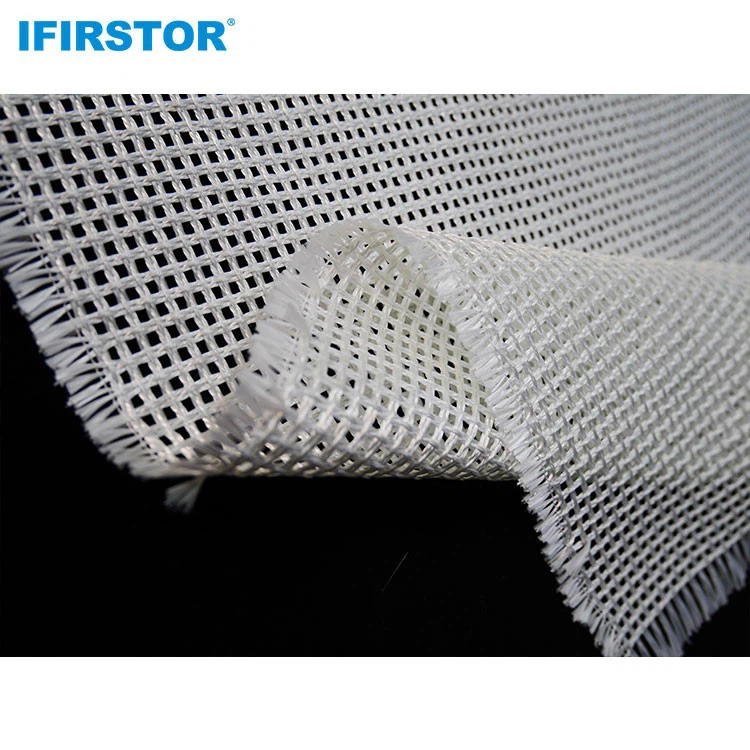

The drawn fibers are then stranded together to form yarns. Stranding multiple fibers together increases the strength and durability of the final product. The number of fibers in each strand and the twisting method can be adjusted according to the specific requirements of the High Silica Fiber Tape.
Weaving or Coating
Once the yarns are ready, there are two main methods to form the High Silica Fiber Tape: weaving and coating.
In the weaving process, the high - silica fiber yarns are woven on a loom to create a tape - like structure. Different weaving patterns can be used, such as plain weave, twill weave, or satin weave, depending on the desired properties of the tape. Plain weave is the simplest and most common pattern, providing good stability and strength. Twill weave offers better flexibility, while satin weave gives a smoother surface.
Alternatively, the high - silica fiber yarns can be coated with a special resin or other materials to form a tape. The coating process involves applying a thin layer of the coating material onto the yarns. The coating can enhance the tape's performance in terms of abrasion resistance, chemical resistance, and surface smoothness. The choice between weaving and coating depends on the specific application requirements of the High Silica Fiber Tape.
Heat Treatment
After the weaving or coating process, the High Silica Fiber Tape undergoes a heat treatment. This step is crucial for further improving the performance of the tape. The heat treatment process can remove any residual moisture or volatile substances from the tape and also help to stabilize the structure of the high - silica fibers.
The tape is heated in a furnace at a high temperature for a certain period. The temperature and time of the heat treatment are carefully controlled based on the type of tape and its intended application. A proper heat treatment can enhance the high - temperature resistance, mechanical strength, and insulation properties of the High Silica Fiber Tape.
Quality Control
Throughout the manufacturing process, strict quality control measures are implemented. At each stage, samples are taken for testing to ensure that the product meets the required standards. Tests include measuring the silica content, fiber diameter, mechanical strength, and high - temperature resistance of the High Silica Fiber Tape.
For example, the silica content can be determined by chemical analysis methods, while the mechanical strength can be measured using tensile testing machines. Only products that pass all the quality tests are considered合格 products and are ready for packaging and shipment.
Packaging and Shipment
Once the High Silica Fiber Tape has passed the quality control tests, it is packaged for shipment. The tape is usually wound onto spools or cut into specific lengths and then placed in protective packaging materials such as plastic bags or cardboard boxes. The packaging is designed to prevent damage to the tape during transportation and storage.
We take great pride in our manufacturing process and the quality of our High Silica Fiber Tape. Our products are widely used in industries such as aerospace, metallurgy, and insulation. If you are interested in our High Silica Fiber Tape or any of our other high - silica fiber products, we welcome you to contact us for procurement and negotiation. We are committed to providing you with the best products and services.
References
- "Handbook of High - Temperature Fibers"
- "Advanced Materials for High - Temperature Applications"
- Industry standards and research papers related to high - silica fiber manufacturing