

How does the presence of gas in the aluminum melt affect the filtration of the filter screen?
Oct 15, 2025
Hey there! As a supplier of Aluminum Melt Filter Screen, I've seen firsthand how the presence of gas in the aluminum melt can mess with the filtration process. In this blog, I'm gonna break down how this gas affects filter screens and what you can do about it.
Understanding the Basics of Aluminum Melt Filtration
Before we dive into the gas thing, let's quickly go over how aluminum melt filtration works. When you're making aluminum products, you start with molten aluminum. This molten metal can have all sorts of impurities, like oxides, non - metallic inclusions, and yes, gas bubbles.
The job of our Aluminum Melt Filter Screen is to catch these impurities and let only clean aluminum pass through. The filter screen has a specific pore size and structure that's designed to trap particles based on their size and shape.
How Gas Gets into the Aluminum Melt
Gas can find its way into the aluminum melt from several sources. One common way is through the raw materials. Aluminum scrap might have moisture on it, and when it's melted, the water turns into hydrogen gas. Another source is the melting environment. If there's air in the furnace, nitrogen and oxygen can dissolve into the molten aluminum.
The Impact of Gas on Filtration Efficiency
Clogging of the Filter Screen
One of the biggest issues caused by gas in the aluminum melt is clogging. Gas bubbles can attach themselves to the filter screen. As more and more gas bubbles accumulate, they start to block the pores of the screen. This reduces the effective area of the screen through which the molten aluminum can flow.
For example, if you have a filter screen with a certain number of pores designed to let the aluminum pass, and a bunch of gas bubbles stick to these pores, the flow rate of the aluminum through the screen will decrease. This not only slows down the production process but also means that the filter screen might need to be replaced more frequently.
Formation of Foam
Gas in the aluminum melt can also lead to the formation of foam. When the gas bubbles rise to the surface of the melt and interact with the impurities, they can create a foamy layer. This foam can be a real pain when it comes to filtration.
The foam can get caught in the filter screen, making it even harder for the molten aluminum to pass through. It can also carry some of the impurities that the filter screen is supposed to trap and push them through the screen, reducing the overall quality of the filtered aluminum.
Reduced Filter Life
The presence of gas can significantly reduce the life of the filter screen. The constant interaction between the gas bubbles and the screen material can cause physical and chemical changes to the screen.
For instance, the gas can react with the screen material over time, weakening its structure. This makes the screen more prone to breakage and damage. So, instead of lasting for a normal production cycle, the filter screen might need to be replaced much earlier, which adds to the production costs.
Different Types of Filter Screens and Their Response to Gas
Aluminum Melt Filter Screen
Our standard Aluminum Melt Filter Screen is made to handle a certain level of impurities and gas. However, when the gas content in the melt is too high, it can face the issues I mentioned earlier, like clogging and reduced life.
The screen's structure is designed to be rigid enough to withstand the flow of molten aluminum, but the gas bubbles can still cause problems. The key is to make sure that the gas content in the melt is within an acceptable range before it reaches the filter screen.
High Silica Fiberglass Filters
These filters are known for their high - temperature resistance and good filtration performance. When it comes to gas in the aluminum melt, they can handle it a bit better than some other types of filters.
The silica fiberglass material has a certain level of porosity that allows the gas to pass through to some extent. However, if the gas bubbles are too large or there are too many of them, they can still cause clogging and other issues.
Coated Fiberglass Fabric Foundry Filter In Roll
This type of filter is flexible and can be used in different setups. The coating on the fiberglass fabric can help in reducing the adhesion of gas bubbles to the filter. But again, if the gas content in the melt is extremely high, it might not be able to prevent all the problems associated with gas.
Solutions to Mitigate the Impact of Gas on Filtration
Degassing the Aluminum Melt
One of the most effective ways to deal with gas in the aluminum melt is to degas it before it reaches the filter screen. There are several degassing methods available, such as using inert gases like argon or nitrogen to bubble through the melt. This helps to remove the dissolved gas from the aluminum.
By reducing the gas content in the melt, you can significantly improve the filtration efficiency of the filter screen. The screen will be less likely to clog, and its life will be extended.

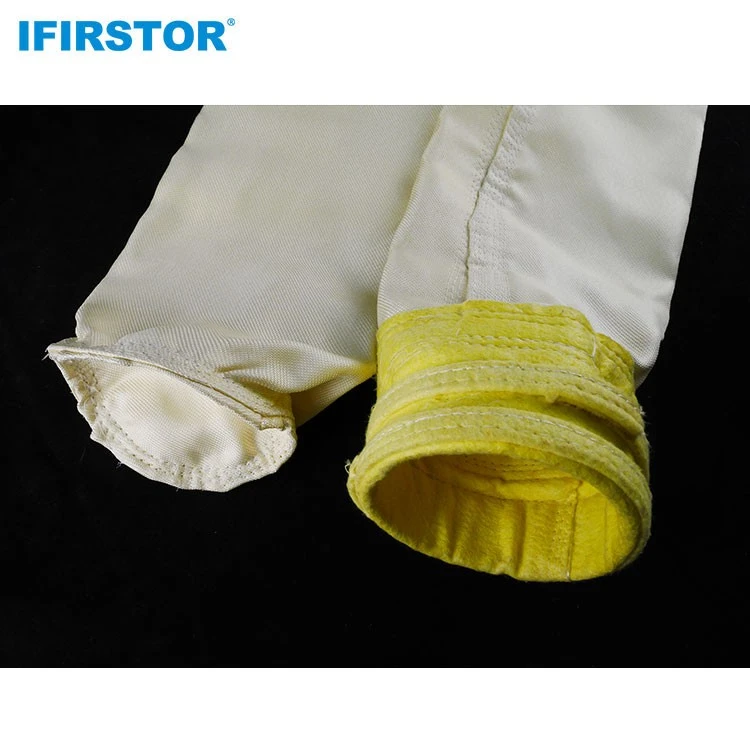
Choosing the Right Filter Screen
Another solution is to choose the right filter screen for your specific application. If you know that your aluminum melt has a relatively high gas content, you might want to opt for a filter screen with a larger pore size or a more open structure. This can allow the gas bubbles to pass through more easily without causing too much clogging.
Conclusion
In conclusion, the presence of gas in the aluminum melt can have a major impact on the filtration of the filter screen. It can cause clogging, foam formation, and reduced filter life. But by understanding these issues and taking the right steps, like degassing the melt and choosing the appropriate filter screen, you can minimize these problems.
If you're in the market for high - quality Aluminum Melt Filter Screen, High Silica Fiberglass Filters, or Coated Fiberglass Fabric Foundry Filter In Roll, don't hesitate to reach out. We're here to help you find the best filtration solutions for your aluminum production needs.
References
- "Aluminum Casting Handbook" by J. Campbell
- "Filtration of Molten Metals" by R. Schwerdtfeger