

How do fiberglass mesh filters handle large particles?
Nov 19, 2025
As a trusted supplier of fiberglass mesh filters, I've witnessed firsthand the remarkable capabilities of these filters when it comes to handling large particles. In this blog post, I'll delve into the science behind how fiberglass mesh filters manage large particles, explore their various forms, and discuss their applications.
The Structure and Function of Fiberglass Mesh Filters
Fiberglass mesh filters are composed of fine glass fibers woven together to form a mesh-like structure. This structure provides a large surface area for capturing particles while allowing air or fluid to pass through. The diameter of the glass fibers and the spacing between them determine the filter's pore size, which in turn affects its ability to capture particles of different sizes.
When a fluid or gas containing large particles passes through a fiberglass mesh filter, the particles are trapped on the surface of the filter or within its pores. This is due to several mechanisms, including inertial impaction, interception, and diffusion.
- Inertial Impaction: Large particles have a greater mass and momentum than smaller particles. As the fluid or gas flows through the filter, the large particles tend to continue moving in a straight line due to their inertia. When they encounter the fibers of the filter, they collide with them and are trapped.
- Interception: Particles that are smaller than the pore size of the filter can still be captured if they come close enough to the fibers. As the fluid or gas flows around the fibers, the particles follow the flow lines and may come into contact with the fibers, where they are intercepted and trapped.
- Diffusion: Small particles are subject to Brownian motion, which causes them to move randomly in the fluid or gas. As they move, they may come into contact with the fibers of the filter and be captured.
Handling Large Particles
Fiberglass mesh filters are particularly effective at handling large particles due to their relatively large pore sizes and high surface areas. The large pore sizes allow the fluid or gas to flow through the filter with minimal resistance, while the high surface areas provide ample space for the particles to be trapped.
In addition, the glass fibers of the filter are strong and durable, which allows them to withstand the impact of large particles without breaking or becoming damaged. This ensures that the filter maintains its integrity and effectiveness over time.
Forms of Fiberglass Mesh Filters
Fiberglass mesh filters are available in a variety of forms to suit different applications. Some of the most common forms include:
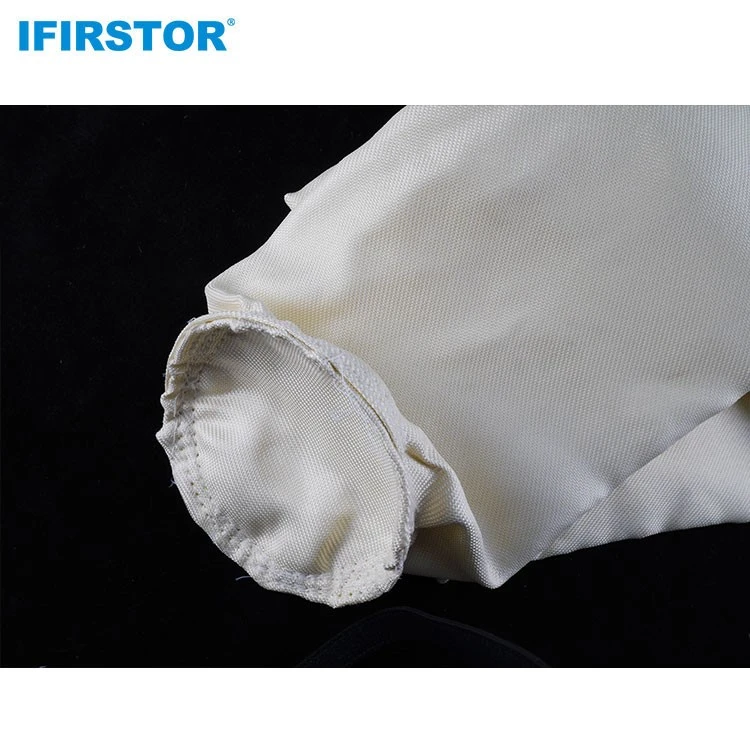

- Uncoated Fiberglass Fabrics Mesh Filters in Rolls: These filters are made from uncoated fiberglass fabrics and are available in rolls. They are commonly used in applications where a large surface area is required, such as in air filtration systems.
- Fiberglass Fabrics Mesh Filter Bag: These filters are made from fiberglass fabrics and are shaped into bags. They are commonly used in applications where a high level of filtration is required, such as in industrial dust collection systems.
- High Silica Fiberglass Filters: These filters are made from high silica fiberglass and are designed to withstand high temperatures. They are commonly used in applications where the fluid or gas being filtered is hot, such as in furnace exhaust systems.
Applications of Fiberglass Mesh Filters
Fiberglass mesh filters are used in a wide range of applications, including:
- Air Filtration: Fiberglass mesh filters are commonly used in air filtration systems to remove dust, pollen, and other large particles from the air. They are used in residential, commercial, and industrial settings, such as in HVAC systems, clean rooms, and industrial ventilation systems.
- Liquid Filtration: Fiberglass mesh filters are also used in liquid filtration systems to remove large particles from liquids, such as water, oil, and chemicals. They are used in a variety of industries, including food and beverage, pharmaceutical, and chemical processing.
- Industrial Dust Collection: Fiberglass mesh filters are commonly used in industrial dust collection systems to remove dust and other large particles from the air. They are used in a variety of industries, including mining, construction, and manufacturing.
Conclusion
Fiberglass mesh filters are a versatile and effective solution for handling large particles in a variety of applications. Their unique structure and properties allow them to capture large particles while allowing air or fluid to pass through with minimal resistance. Whether you're looking for a filter for air filtration, liquid filtration, or industrial dust collection, fiberglass mesh filters are a reliable choice.
If you're interested in learning more about our fiberglass mesh filters or would like to discuss your specific filtration needs, please don't hesitate to contact us. We'd be happy to help you find the right filter for your application.
References
- Brown, R. C. (1993). Introduction to Air Quality Engineering. New York: Oxford University Press.
- Hinds, W. C. (1999). Aerosol Technology: Properties, Behavior, and Measurement of Airborne Particles. New York: Wiley-Interscience.
- Perry, R. H., & Green, D. W. (1997). Perry's Chemical Engineers' Handbook. New York: McGraw-Hill.