

Do woven fiberglass filter bags have a good resistance to thermal shock?
Jun 04, 2026
Do woven fiberglass filter bags have a good resistance to thermal shock?
As a supplier of woven fiberglass filter bags, I often encounter inquiries from customers about the performance of our products, especially their resistance to thermal shock. Thermal shock is a critical factor in many industrial applications where filter bags are exposed to rapid temperature changes. In this blog post, I will delve into the topic of whether woven fiberglass filter bags have good resistance to thermal shock, exploring the science behind it and providing real - world examples.
Understanding Thermal Shock
Thermal shock occurs when a material is subjected to a rapid and significant change in temperature. This can lead to the development of internal stresses within the material, which may cause cracking, warping, or even complete failure. In industrial filtration processes, filter bags can experience thermal shock when they are suddenly exposed to hot gases or when the temperature of the filtered medium changes rapidly.
The Structure and Properties of Woven Fiberglass Filter Bags
Woven fiberglass filter bags are made from glass fibers that are woven together to form a fabric. Glass fibers have several properties that make them suitable for high - temperature filtration applications. Firstly, glass has a relatively high melting point, typically around 1000 - 1700°C depending on the type of glass. This high melting point allows fiberglass filter bags to withstand high - temperature environments without melting.
Secondly, the woven structure of the filter bags provides mechanical strength and stability. The interlacing of the glass fibers distributes the stress evenly across the fabric, reducing the likelihood of localized damage. However, when it comes to thermal shock resistance, the performance of woven fiberglass filter bags is more complex.
Factors Affecting Thermal Shock Resistance
-
Type of Glass Fiber
- Different types of glass fibers have different coefficients of thermal expansion (CTE). The CTE is a measure of how much a material expands or contracts with a change in temperature. For example, E - glass, which is commonly used in woven fiberglass filter bags, has a CTE of approximately 5.4×10⁻⁶ /°C. A lower CTE means that the material will expand and contract less with temperature changes, which is beneficial for thermal shock resistance. High - silica glass fibers, available in our High Silica Fiberglass Filters, have a very low CTE, making them more resistant to thermal shock compared to some other types of glass fibers.
-
Fabric Construction
- The way the glass fibers are woven into a fabric also affects thermal shock resistance. A looser weave may allow for more flexibility and better accommodation of thermal expansion and contraction. However, a very loose weave may compromise the filtration efficiency. On the other hand, a tight - weave fabric may have better mechanical strength but may be more susceptible to thermal shock due to less room for expansion.
-
Coatings and Treatments
- Some woven fiberglass filter bags are coated or treated to improve their performance. For example, a ceramic coating can enhance the high - temperature stability and thermal shock resistance of the filter bag. The coating can act as a buffer, reducing the impact of rapid temperature changes on the underlying glass fibers.
Real - World Performance and Case Studies
In many industrial applications, woven fiberglass filter bags have shown good performance in terms of thermal shock resistance. For instance, in the molten aluminum filtration process, our Molten Aluminum Filtration Fabric and Aluminum Melt Filter Screen are exposed to the high - temperature molten aluminum. Although the transfer of the molten metal from the furnace to the filtration system can cause rapid temperature changes, our fiberglass filter products have been able to withstand these thermal shocks without significant damage.
In a large - scale aluminum smelting plant, our woven fiberglass filter bags were installed in the filtration units. The plant reported that the filter bags maintained their integrity even after repeated cycles of exposure to the hot molten aluminum. The low CTE of the glass fibers used in the bags, combined with the appropriate fabric construction, contributed to this excellent thermal shock resistance.
However, it is important to note that the limits of thermal shock resistance exist. If the temperature change is too extreme or too rapid, even the most thermally - resistant woven fiberglass filter bags may experience some degree of damage.
Ensuring Optimal Thermal Shock Resistance
To ensure the best possible thermal shock resistance for our customers, we offer customized solutions. We can select the most appropriate type of glass fiber based on the specific temperature and thermal shock requirements of the application. Our technical team can also recommend the right fabric construction and coating options to enhance the performance of the filter bags.
For example, if a customer's application involves very rapid and large - scale temperature changes, we may suggest using high - silica glass fibers with a ceramic coating. This combination can provide the highest level of thermal shock resistance while still maintaining good filtration efficiency.
Conclusion
In general, woven fiberglass filter bags can have good resistance to thermal shock, especially when the right materials, fabric construction, and coatings are used. The unique properties of glass fibers, such as their high melting point and relatively low coefficient of thermal expansion, make them suitable for applications where thermal shock is a concern.
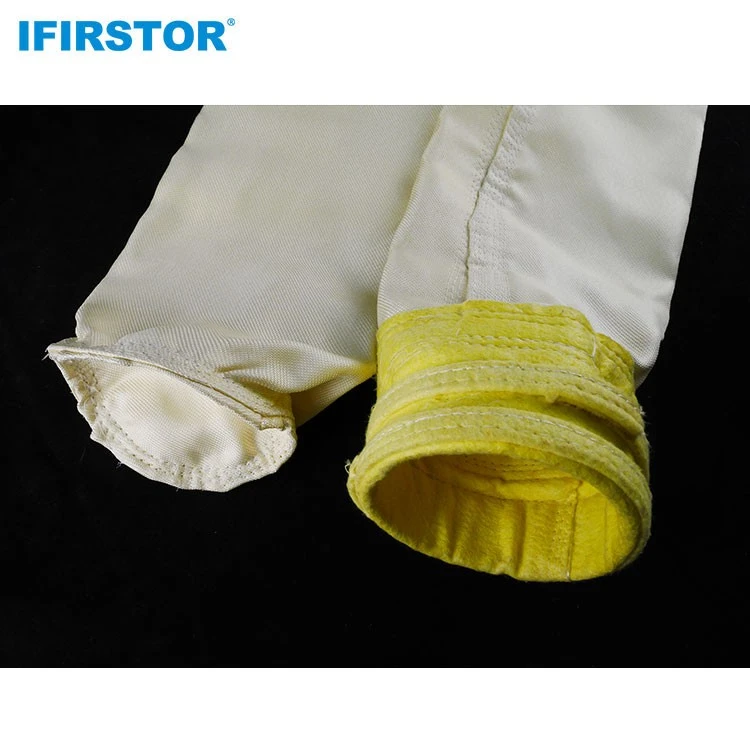

However, it is crucial for customers to consider the specific parameters of their applications, such as the rate and magnitude of temperature changes, when selecting woven fiberglass filter bags. Our team of experts is always available to assist customers in making the right choice.
If you are interested in our woven fiberglass filter bags and would like to discuss your specific filtration needs, especially in relation to thermal shock resistance, we encourage you to contact us for a detailed consultation. Our goal is to provide you with the best - in - class filtration solutions that meet your requirements and ensure the smooth operation of your industrial processes.
References
- ASTM International. "Standard Test Methods for Thermal Expansion of Solid Materials by Thermomechanical Analysis." ASTM E 831 - 20.
- Hinze, J. (2008). "Filtration: Principles and Practices." Marcel Dekker.
- Kutz, M. (2012). "Handbook of Materials Selection." Wiley.