

Can woven fiberglass filter bags be used in coal - fired power plants?
Jun 18, 2026
Woven fiberglass filter bags have long been a topic of interest in various industrial applications, especially when it comes to coal - fired power plants. As a supplier of woven fiberglass filter bags, I am often asked whether these filter bags can be effectively used in coal - fired power plants. In this blog, I will delve into the technical aspects, advantages, and potential limitations of using woven fiberglass filter bags in coal - fired power plants.
Technical Overview of Woven Fiberglass Filter Bags
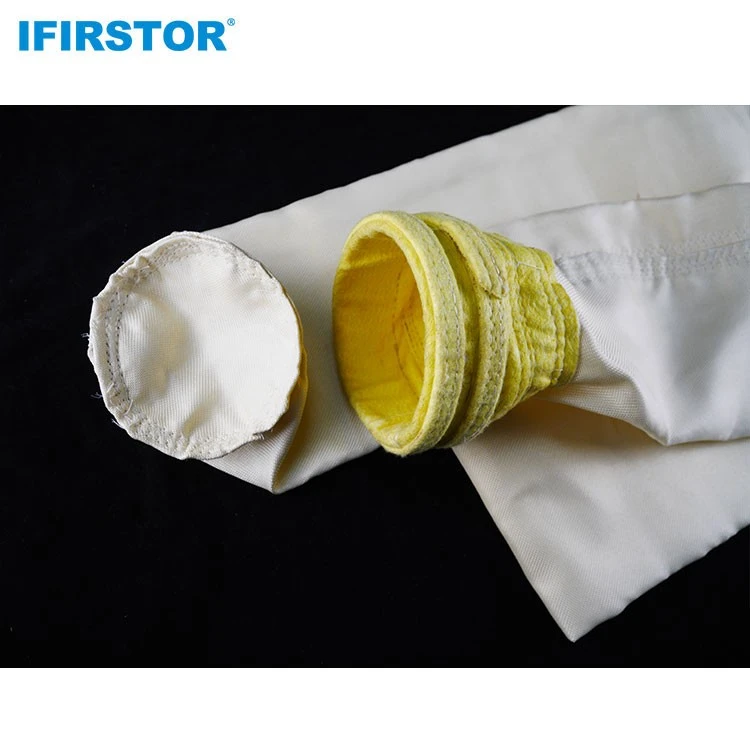
Woven fiberglass filter bags are made from high - quality fiberglass fibers that are woven into a fabric structure. The fiberglass material offers several key properties that make it suitable for filtration applications. Firstly, fiberglass has a high melting point, typically around 1000 - 1200°C, which allows it to withstand the high - temperature environments often found in coal - fired power plants. The flue gases in coal - fired power plants can reach temperatures of several hundred degrees Celsius, and the ability of fiberglass to maintain its structural integrity under such conditions is crucial.
Secondly, fiberglass has excellent chemical resistance. Coal - fired power plants produce flue gases that contain various acidic and alkaline substances, such as sulfur dioxide (SO₂), nitrogen oxides (NOₓ), and particulate matter. Woven fiberglass filter bags can resist the corrosive effects of these chemicals, ensuring a longer service life compared to some other filter materials.

Advantages of Using Woven Fiberglass Filter Bags in Coal - Fired Power Plants
High Filtration Efficiency
One of the primary advantages of woven fiberglass filter bags is their high filtration efficiency. The fine - woven structure of the fabric can effectively capture particulate matter in the flue gas. In coal - fired power plants, the particulate matter includes fly ash, which can cause environmental pollution if not properly filtered. Woven fiberglass filter bags can trap particles of different sizes, including fine particles that are difficult to capture with other filtration methods. This helps to meet the strict environmental regulations regarding particulate emissions from coal - fired power plants.
Cost - Effectiveness
Woven fiberglass filter bags are relatively cost - effective compared to some other high - performance filter materials. They have a long service life, which reduces the frequency of replacement. Additionally, the raw materials for fiberglass are widely available, and the manufacturing process is well - established, resulting in a relatively low production cost. This makes them an attractive option for coal - fired power plants looking to balance environmental compliance and cost.
Temperature Resistance
As mentioned earlier, the high melting point of fiberglass allows woven fiberglass filter bags to operate in high - temperature environments. Coal - fired power plants often have flue gas temperatures that can exceed 200°C. Woven fiberglass filter bags can maintain their filtration performance even at these elevated temperatures, without significant degradation of the fabric. This is in contrast to some other filter materials that may lose their effectiveness or even melt at high temperatures.
Potential Limitations
Brittleness
One of the main limitations of woven fiberglass filter bags is their brittleness. Fiberglass is a relatively brittle material, and the filter bags can be prone to damage during handling and installation. Care must be taken to avoid excessive bending or folding of the bags, as this can cause the fibers to break and reduce the filtration efficiency. In addition, during the operation of the power plant, vibrations and mechanical stresses can also lead to the breakage of the fiberglass fibers, which may require more frequent inspections and replacements.
Limited Resistance to Some Chemicals
Although fiberglass has good chemical resistance in general, it may not be suitable for environments with extremely high concentrations of certain chemicals. For example, hydrofluoric acid can react with fiberglass and cause significant damage. In coal - fired power plants where there are specific chemical compositions in the flue gas, a detailed analysis of the chemical environment is necessary to ensure that the woven fiberglass filter bags can withstand the conditions.
Applications in Coal - Fired Power Plants
In coal - fired power plants, woven fiberglass filter bags are commonly used in baghouses. Baghouses are large filtration systems that use a series of filter bags to remove particulate matter from the flue gas. The flue gas enters the baghouse and passes through the woven fiberglass filter bags. The particulate matter is trapped on the surface of the bags, while the clean gas is allowed to pass through and be released into the atmosphere.
There are different types of woven fiberglass filter bags available, each with its own characteristics. For example, Uncoated Fiberglass Fabrics Mesh Filters in Rolls offer a basic filtration solution. They are often used in applications where the particulate matter is not extremely fine or where the chemical environment is relatively mild. On the other hand, High Silica Fiberglass Filters have a higher silica content, which provides even better temperature resistance and chemical stability. These filters are suitable for more demanding applications in coal - fired power plants.
Another type of filter that can be related to the filtration process in coal - fired power plants is the Aluminum Melt Filter Screen. Although it is mainly used in the aluminum melting process, the concept of filtration and the importance of high - performance filter materials are similar.
Considerations for Selection
When selecting woven fiberglass filter bags for coal - fired power plants, several factors need to be considered. Firstly, the temperature of the flue gas is a crucial factor. Different types of fiberglass filter bags have different temperature ratings, and the appropriate bag should be selected based on the actual operating temperature. Secondly, the chemical composition of the flue gas needs to be analyzed. If there are high concentrations of certain chemicals, a filter bag with better chemical resistance should be chosen.
The size and shape of the filter bags also need to be considered. The baghouse design will determine the size and number of filter bags required. The installation and maintenance requirements should also be taken into account. Some filter bags may require more complex installation procedures or more frequent maintenance.
Conclusion
In conclusion, woven fiberglass filter bags can be effectively used in coal - fired power plants. Their high filtration efficiency, cost - effectiveness, and temperature resistance make them a viable option for particulate matter removal from flue gases. However, their brittleness and limited resistance to some chemicals need to be carefully considered. By selecting the appropriate type of woven fiberglass filter bags and taking proper care during installation and operation, coal - fired power plants can achieve efficient and environmentally friendly filtration.
If you are interested in purchasing woven fiberglass filter bags for your coal - fired power plant or have any questions about our products, please feel free to contact us for further discussion. We are committed to providing high - quality filter solutions and professional technical support.
References
- "Handbook of Filtration Technology" by John R. Dickinson
- "Industrial Air Pollution Control" by C. S. Jog