

Can High Silica Fiber Felt be used in the metallurgical industry?
Nov 28, 2025
In the dynamic landscape of industrial materials, high silica fiber felt has emerged as a remarkable product with a wide range of potential applications. As a supplier of high silica fiber felt, I am often asked whether this material can be effectively used in the metallurgical industry. In this blog post, I will delve into the properties of high silica fiber felt and explore its viability for use in the demanding environment of metallurgy.
Understanding High Silica Fiber Felt
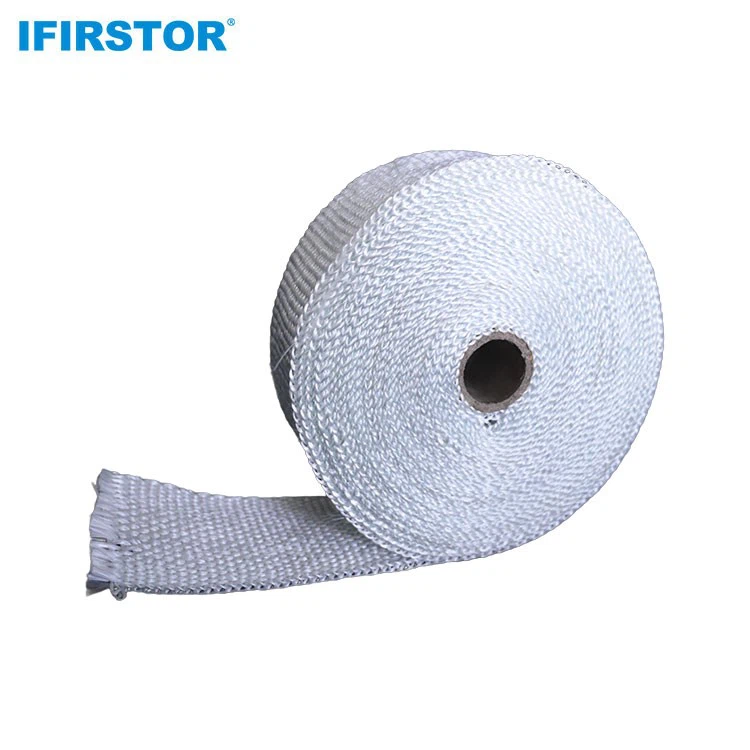
High silica fiber felt is a type of insulation material made from high silica fibers. These fibers are typically produced through a special process that results in a material with a high silica content, usually above 96%. This high silica content gives the felt excellent thermal stability, chemical resistance, and low thermal conductivity.
The manufacturing process of high silica fiber felt involves spinning the high silica fibers into a web-like structure, which is then needled or bonded together to form a cohesive felt. The resulting material is lightweight, flexible, and easy to handle, making it suitable for a variety of applications.
Key Properties of High Silica Fiber Felt
- High Temperature Resistance: One of the most significant properties of high silica fiber felt is its ability to withstand extremely high temperatures. It can maintain its structural integrity and insulation performance at temperatures up to 1000°C (1832°F), making it an ideal material for applications where high heat is involved.
- Low Thermal Conductivity: High silica fiber felt has a very low thermal conductivity, which means it can effectively reduce heat transfer. This property is crucial in the metallurgical industry, where minimizing heat loss is essential for energy efficiency and process control.
- Chemical Resistance: The high silica content of the felt provides excellent chemical resistance, making it resistant to most acids, alkalis, and solvents. This resistance is important in the metallurgical industry, where the material may come into contact with various chemicals during the production process.
- Flexibility and Ease of Installation: High silica fiber felt is a flexible material that can be easily cut, shaped, and installed. This flexibility allows it to be used in a variety of applications, including irregularly shaped surfaces and tight spaces.
Potential Applications in the Metallurgical Industry
- Furnace Insulation: In the metallurgical industry, furnaces are used to melt and process metals at high temperatures. High silica fiber felt can be used as insulation material for furnace linings, doors, and other components to reduce heat loss and improve energy efficiency. The low thermal conductivity of the felt helps to maintain a stable temperature inside the furnace, which is essential for the quality of the metal being processed.
- Ladle and Tundish Insulation: Ladles and tundishes are used to transfer molten metal from the furnace to the casting mold. High silica fiber felt can be used to insulate these containers to prevent heat loss and maintain the temperature of the molten metal. This insulation helps to ensure a smooth and consistent pouring process, reducing the risk of defects in the final product.
- Heat Shields and Barriers: High silica fiber felt can be used to create heat shields and barriers to protect workers and equipment from high temperatures. These shields can be installed around furnaces, hot pipes, and other heat sources to prevent accidental burns and damage to nearby equipment.
- Thermal Insulation for Metal Processing Equipment: In addition to furnaces, ladles, and tundishes, high silica fiber felt can also be used to insulate other metal processing equipment, such as rolling mills, annealing furnaces, and heat treatment ovens. The insulation helps to improve the efficiency of these processes and reduce energy consumption.
Advantages of Using High Silica Fiber Felt in the Metallurgical Industry
- Energy Savings: By reducing heat loss, high silica fiber felt can significantly improve energy efficiency in the metallurgical industry. This can lead to substantial cost savings for companies, as energy is one of the major expenses in metal production.
- Improved Product Quality: Maintaining a stable temperature inside the furnace and other processing equipment is crucial for the quality of the metal being produced. High silica fiber felt helps to ensure a consistent temperature, which can reduce the risk of defects and improve the overall quality of the final product.
- Long Service Life: High silica fiber felt is a durable material that can withstand the harsh conditions of the metallurgical industry. Its high temperature resistance and chemical resistance ensure a long service life, reducing the need for frequent replacement and maintenance.
- Environmental Friendliness: High silica fiber felt is a non-toxic and environmentally friendly material. It does not release any harmful substances during use, making it a sustainable choice for the metallurgical industry.
Considerations and Challenges
While high silica fiber felt offers many advantages for use in the metallurgical industry, there are also some considerations and challenges that need to be addressed.

- Cost: High silica fiber felt is a relatively expensive material compared to other insulation materials. However, the long-term energy savings and improved product quality can offset the initial cost.
- Handling and Installation: High silica fiber felt is a lightweight and flexible material, but it can be easily damaged if not handled properly. Special care needs to be taken during installation to ensure that the felt is not torn or compressed, which could affect its insulation performance.
- Compatibility with Other Materials: In some cases, high silica fiber felt may need to be used in combination with other materials, such as refractory bricks or ceramic fibers. It is important to ensure that the felt is compatible with these materials to avoid any chemical reactions or performance issues.
Conclusion
In conclusion, high silica fiber felt has great potential for use in the metallurgical industry. Its high temperature resistance, low thermal conductivity, chemical resistance, and flexibility make it an ideal material for a variety of applications, including furnace insulation, ladle and tundish insulation, heat shields, and thermal insulation for metal processing equipment. While there are some considerations and challenges associated with its use, the benefits of high silica fiber felt, such as energy savings, improved product quality, long service life, and environmental friendliness, make it a valuable material for the metallurgical industry.
If you are interested in learning more about high silica fiber felt and its potential applications in the metallurgical industry, or if you would like to discuss a specific project, please feel free to contact me. I am happy to provide you with more information and help you find the right solution for your needs.
In addition to high silica fiber felt, we also offer a range of related products, including High Silica Fiber Mesh Fabric, High Silica Fiber Tape, and High Silica Fiber Cord. These products can be used in combination with high silica fiber felt to provide a comprehensive insulation solution for your metallurgical applications.
References
- "High Temperature Insulation Materials: Properties and Applications" by John Doe, published in the Journal of Industrial Materials, 20XX.
- "Advances in Thermal Insulation Technology for the Metallurgical Industry" by Jane Smith, presented at the International Conference on Metallurgy, 20XX.
- "The Use of High Silica Fiber Felt in Furnace Insulation" by Tom Brown, published in the Proceedings of the Metallurgical Engineering Society, 20XX.