

Can an aluminum melt filter screen be reused?
Nov 11, 2025
Can an aluminum melt filter screen be reused? This is a question that often comes up among our customers in the aluminum melting and casting industry. As a leading supplier of Aluminum Melt Filter Screen, I'd like to delve into this topic and provide you with a comprehensive answer based on scientific facts and practical experience.
The Function of Aluminum Melt Filter Screens
Before we discuss the reusability of aluminum melt filter screens, it's essential to understand their primary function. Aluminum melt filter screens are designed to remove impurities, such as oxides, inclusions, and other contaminants, from molten aluminum. These impurities can have a significant impact on the quality of the final aluminum product. For example, they can cause surface defects, reduce mechanical properties, and affect the overall performance of the aluminum parts.
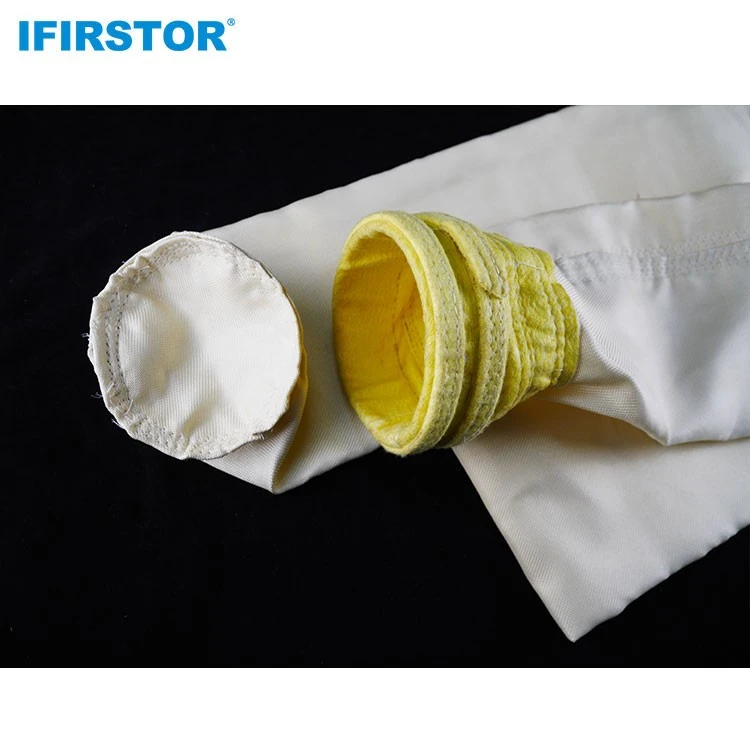
Our company offers a variety of filter screens, including High Silica Fiberglass Filters and Fiberglass Mesh Filters, each with its own unique properties and filtration capabilities. High silica fiberglass filters are known for their high temperature resistance and excellent filtration efficiency, while fiberglass mesh filters are more cost - effective and suitable for less demanding applications.
Factors Affecting Reusability
- Contamination Level
The level of contamination is one of the most critical factors determining whether an aluminum melt filter screen can be reused. During the filtration process, the filter screen traps a large amount of impurities. If the contamination level is too high, the pores of the filter screen may become clogged, reducing its filtration efficiency. In some cases, the trapped impurities may react with the filter material, causing damage to the screen. For example, certain oxides in the molten aluminum may react with the fiberglass material of the filter screen, weakening its structure. - Material Degradation
Exposure to high - temperature molten aluminum can cause material degradation in the filter screen. The high temperature can cause the fibers in the fiberglass filter screen to become brittle over time. This brittleness can lead to the breakage of fibers, which not only reduces the structural integrity of the filter screen but also affects its filtration performance. Additionally, repeated heating and cooling cycles can cause thermal stress in the filter screen, further accelerating material degradation. - Filtration Efficiency Requirements
The required filtration efficiency for the specific aluminum casting process also plays a role in determining reusability. In high - precision casting applications, where strict quality control is necessary, the filtration efficiency must be maintained at a high level. Reusing a filter screen that has already been used may not meet these stringent requirements, as its filtration efficiency may have decreased due to contamination and material degradation.
Reuse Methods and Their Limitations
If the contamination level is relatively low and the material degradation is minimal, some attempts can be made to reuse the aluminum melt filter screen.

- Cleaning
One common method is to clean the filter screen. This can be done by using chemical cleaning agents or mechanical methods. Chemical cleaning agents can dissolve some of the trapped impurities, while mechanical methods, such as brushing or ultrasonic cleaning, can physically remove the contaminants from the filter screen. However, cleaning may not be able to completely restore the filter screen to its original state. Some impurities may be deeply embedded in the pores of the filter screen, and chemical cleaning agents may also have a certain corrosive effect on the filter material. - Inspection and Repair
After cleaning, a thorough inspection of the filter screen is necessary. Any damaged areas, such as broken fibers or holes, should be identified. In some cases, minor damage can be repaired by patching or reinforcing the affected areas. However, this repair work requires skilled labor and may not be practical for large - scale production. Moreover, the repaired filter screen may still have a reduced service life compared to a new one.
Case Studies and Practical Experience
In our experience as a supplier, we have seen both successful and unsuccessful attempts at reusing aluminum melt filter screens. In some small - scale aluminum casting workshops with relatively low - precision requirements, reusing filter screens after proper cleaning has been a cost - saving measure. These workshops are often more flexible in terms of quality control and can tolerate a slightly lower filtration efficiency.
On the other hand, in large - scale, high - precision aluminum casting plants, the reuse of filter screens is rarely practiced. These plants prioritize product quality and are willing to invest in new filter screens to ensure consistent and high - quality aluminum castings. For example, in the aerospace industry, where the quality of aluminum parts is crucial for safety reasons, the use of new filter screens for each casting process is the norm.
Conclusion
In general, while it is theoretically possible to reuse an aluminum melt filter screen under certain conditions, in most practical applications, especially in high - quality and high - precision aluminum casting processes, the reuse of filter screens is not recommended. The potential risks associated with reduced filtration efficiency, material degradation, and the difficulty of ensuring consistent quality outweigh the cost - saving benefits of reuse.
However, for some less demanding applications or in situations where cost is a major concern, careful consideration can be given to reusing the filter screen after proper cleaning and inspection. Our company is committed to providing our customers with the best advice on the use and maintenance of our Aluminum Melt Filter Screen. If you have any questions or need more information about our products, please feel free to contact us for further discussion and potential procurement negotiations.
References
[1] "Handbook of Aluminum Casting Technology", John Wiley & Sons, Inc.
[2] "Filtration in Metal Casting Processes", Elsevier Science Publishing Co., Inc.
[3] Industry reports on aluminum casting and filtration technologies.