

What is the dielectric constant of High Silica Fiberglass Filters?
Jan 19, 2026
Hey there! As a supplier of High Silica Fiberglass Filters, I often get asked about the dielectric constant of these filters. So, I thought I'd take a moment to break it down for you in a way that's easy to understand.
First off, let's talk about what the dielectric constant is. In simple terms, the dielectric constant (also known as relative permittivity) is a measure of how well a material can store electrical energy in an electric field. It's a dimensionless quantity that compares the ability of a material to store electrical energy to that of a vacuum. A higher dielectric constant means the material can store more electrical energy.
Now, let's get into High Silica Fiberglass Filters. These filters are made from high - silica glass fibers, which have some pretty unique properties. High silica glass is known for its high temperature resistance, chemical stability, and good mechanical strength. But when it comes to the dielectric constant, it's influenced by several factors.
One of the main factors affecting the dielectric constant of High Silica Fiberglass Filters is the composition of the silica glass. High - silica glass typically has a high content of silicon dioxide (SiO₂), usually above 96%. The purity of the silica and the presence of any impurities can impact the dielectric constant. Impurities can introduce additional charge carriers or change the molecular structure of the glass, which in turn affects how the material responds to an electric field.
Another factor is the structure of the fiberglass. The way the fibers are arranged in the filter can make a difference. If the fibers are tightly packed, it can change the overall electrical properties of the filter compared to a more loosely packed structure. The orientation of the fibers also plays a role. In some cases, the dielectric constant may be different depending on whether the electric field is applied parallel or perpendicular to the fiber direction.
The frequency of the applied electric field is also crucial. At low frequencies, the dielectric constant of High Silica Fiberglass Filters may be relatively stable. But as the frequency increases, the polarization mechanisms within the material start to change. Different polarization processes, such as electronic polarization, ionic polarization, and orientation polarization, have different response times to the changing electric field. At high frequencies, some of these polarization mechanisms may not be able to keep up, causing the dielectric constant to decrease.
Typically, the dielectric constant of High Silica Fiberglass Filters is in the range of about 3 - 4 at room temperature and low frequencies. This value is relatively stable compared to some other materials, which makes these filters suitable for applications where a consistent dielectric property is required.
Now, let's talk about why the dielectric constant of High Silica Fiberglass Filters matters. In electrical and electronic applications, these filters can be used in various components. For example, in high - voltage insulation systems, the dielectric constant affects the capacitance of the insulation. A stable dielectric constant helps to ensure that the electrical performance of the system remains consistent over time.
In microwave applications, the dielectric constant determines how the filter interacts with the microwave energy. If the dielectric constant is too high, it can cause excessive absorption of the microwave energy, leading to heating of the filter. On the other hand, if it's too low, the filter may not be able to effectively interact with the microwave field for the intended purpose.
As a supplier, we offer High Silica Fiberglass Filters in different forms to meet various customer needs. We have Uncoated Fiberglass Fabrics Mesh Filters in Rolls, which are great for applications where a large surface area of filtration is required. These rolls can be easily cut and customized to fit different equipment.
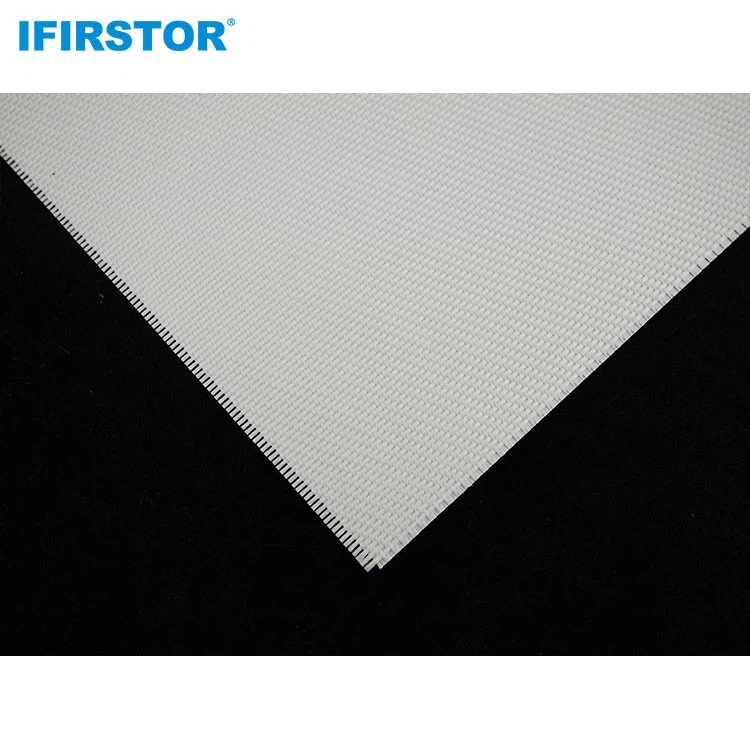
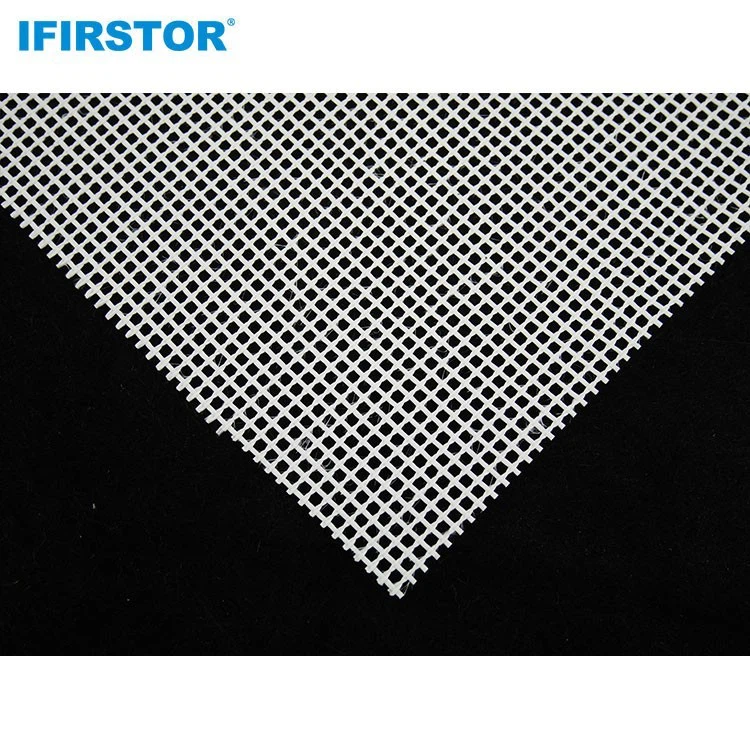
Our Fiberglass Fabrics Mesh Filter Bag is another popular option. It's designed to be used in situations where a more enclosed filtration system is needed. The filter bags are made from high - quality fiberglass fabrics that provide excellent filtration efficiency.
For those dealing with molten aluminum filtration, our Molten Aluminum Filtration Fabric is a top - choice. It can withstand the high temperatures of molten aluminum and effectively remove impurities from the metal.
If you're in the market for High Silica Fiberglass Filters, whether it's for electrical, electronic, or industrial applications, we're here to help. Our filters are manufactured with strict quality control measures to ensure consistent dielectric properties and high performance. We understand that every customer has unique requirements, and we're committed to providing the best solutions for your specific needs.
If you're interested in learning more about our products or have any questions regarding the dielectric constant or other properties of High Silica Fiberglass Filters, don't hesitate to reach out. We'd love to have a chat with you and discuss how our filters can fit into your operations. Whether you need a small quantity for testing or a large - scale supply for production, we're ready to assist you in your procurement process.
References
- "Handbook of Glass Properties" - This comprehensive handbook provides detailed information on the properties of different types of glass, including high - silica glass.
- "Electrical Properties of Fibrous Materials" - A research publication that delves into the electrical behavior of fibrous materials, including fiberglass filters.