

How does a welding blanket protect the surrounding area?
Jun 08, 2026
Hey there! As a supplier of welding blankets, I've seen firsthand how these nifty tools can be a total game - changer when it comes to protecting the surrounding area during welding operations. In this blog, I'm gonna break down exactly how welding blankets do their thing and why they're so important.
First off, let's talk about what a welding blanket is. It's basically a thick, heat - resistant blanket made from materials like fiberglass, ceramic, or Kevlar. These materials are chosen because they can withstand extremely high temperatures without catching fire or melting.
One of the main ways a welding blanket protects the surrounding area is by acting as a physical barrier. When you're welding, there are all sorts of hazards flying around. Sparks are probably the most obvious one. Welding produces a shower of hot sparks that can travel several feet in all directions. If these sparks land on flammable materials like wood, paper, or fabric, they can easily start a fire. A welding blanket placed around the welding area catches these sparks before they can reach anything that might burn. It's like having a safety net for your workspace.
For example, let's say you're welding in a workshop where there are some cardboard boxes nearby. Without a welding blanket, those hot sparks could land on the cardboard and set it ablaze in no time. But if you've got a welding blanket covering the area around your workbench, the sparks will hit the blanket instead. The blanket's heat - resistant material can handle the high - temperature sparks, and they'll just fizzle out on the surface.
Another hazard during welding is heat radiation. Welding generates a huge amount of heat, and this heat can radiate outwards and damage nearby equipment or materials. A welding blanket helps to insulate the surrounding area from this heat. It absorbs and dissipates the heat, preventing it from spreading too far. This is especially important if you have sensitive electronic equipment or other heat - sensitive materials in the vicinity.
Imagine you're welding in a room where there are some computer servers. The intense heat from the welding could potentially damage the servers if it's not properly contained. By using a welding blanket, you can create a buffer zone that keeps the servers at a safe temperature. The blanket acts as a shield, reducing the amount of heat that reaches the servers and protecting them from any heat - related damage.
Welding blankets also protect against splatter. During the welding process, molten metal can splash out and land on nearby surfaces. This splatter can cause damage to floors, walls, and other equipment. A welding blanket catches the splatter, preventing it from sticking to or damaging these surfaces. It's much easier to clean a welding blanket covered in splatter than it is to repair a floor or wall that's been pitted by molten metal.
Now, let's talk about the different types of welding blankets available. There are various sizes and thicknesses to choose from, depending on your specific needs. Thicker blankets generally offer more protection, but they can also be more cumbersome to work with. You need to find the right balance between protection and practicality.
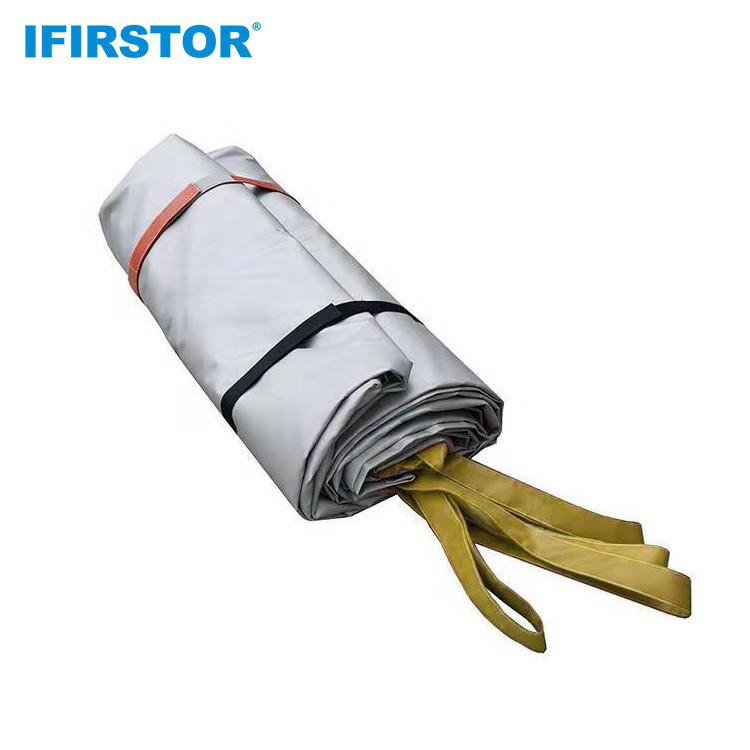

If you're working on a small, precision welding job, a thinner, more flexible blanket might be the way to go. It'll still provide adequate protection while allowing you to move around more easily. On the other hand, if you're doing heavy - duty welding in an industrial setting, a thicker, more robust blanket will be better suited to handle the intense heat and large amounts of sparks and splatter.
We also offer some specialized fire - resistant blankets that you might find useful. Check out our Fireproof Blanket, which is great for general fire protection. If you're dealing with car - related welding or potential car fires, our Car Fire Blanket is a must - have. And for those working with electric vehicles, our EV Fire Blanket provides specific protection against the unique fire risks associated with EVs.
In addition to protecting the physical area around the welding site, welding blankets also contribute to a safer working environment for the welder. By reducing the risk of fires and damage to nearby equipment, they help to minimize distractions and potential hazards. This allows the welder to focus on the task at hand, which can improve the quality of the weld and overall productivity.
When it comes to choosing a welding blanket, it's important to consider the quality of the material. A high - quality welding blanket will last longer and provide better protection. Look for blankets that are made from durable, heat - resistant materials and have been tested to meet industry standards.
We take pride in offering top - notch welding blankets that are designed to provide maximum protection. Our blankets are made from the best materials available, and we ensure that they go through rigorous quality control checks before they reach your hands.
If you're in the market for a welding blanket, or if you have any questions about how to choose the right one for your needs, don't hesitate to reach out. Whether you're a professional welder in an industrial setting or a DIY enthusiast working on a home project, we've got the perfect welding blanket for you. Contact us to start a conversation about your requirements, and we'll be more than happy to assist you in finding the ideal solution.
In conclusion, welding blankets are an essential tool for anyone involved in welding. They protect the surrounding area from sparks, heat radiation, and splatter, creating a safer and more efficient working environment. So, if you haven't already, invest in a good welding blanket and see the difference it can make in your welding projects.
References
- Welding Safety Handbook, Industrial Safety Press
- Fire Protection Manual, National Fire Protection Association