

How do I calculate the cost - effectiveness of using fiberglass fabric?
Dec 31, 2025
Hey there! I'm a supplier of fiberglass fabric, and I often get asked about how to calculate the cost - effectiveness of using fiberglass fabric. In this blog, I'll break it down for you in a simple way, so you can make informed decisions when it comes to your projects.
First off, let's understand what cost - effectiveness means. It's all about getting the most bang for your buck. You want a product that gives you the best performance at a reasonable price. When it comes to fiberglass fabric, there are several factors to consider in this calculation.
1. Initial Cost
The first thing you'll look at is the upfront cost of the fiberglass fabric. This includes the price per square meter or yard, depending on how it's sold. Different types of fiberglass fabric have different price points. For example, Steel Wire Reinforced Fiberglass Cloth might be more expensive than regular fiberglass fabric because of the added steel wire reinforcement. This reinforcement gives it extra strength and durability, but it also adds to the cost.
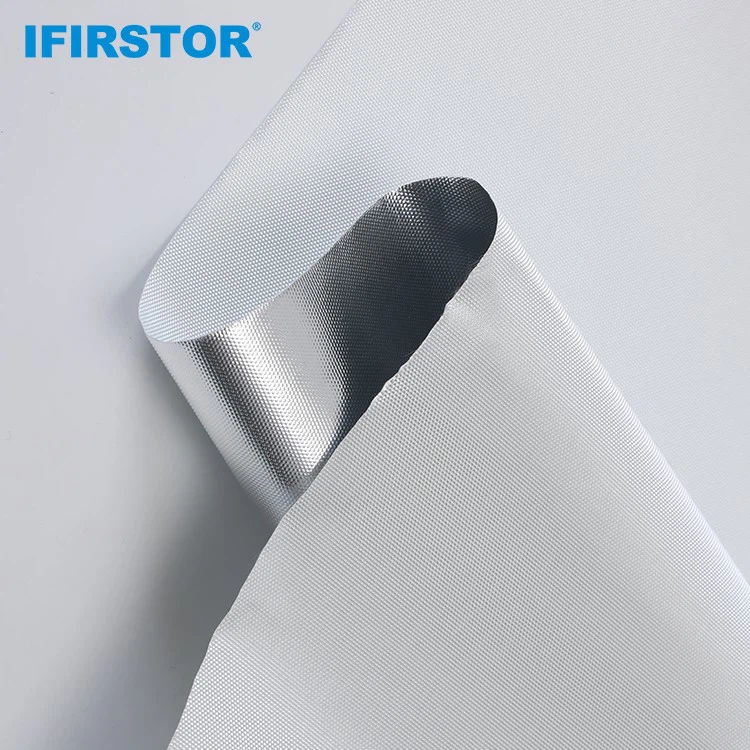
On the other hand, Aluminum Foil Laminated Fiberglass Fabric has a different price range. The aluminum foil layer provides additional properties like heat reflection, which is great for applications where heat insulation is needed. But again, this extra feature comes at a cost.
Silicone Coated Fiberglass Fabric is another option. The silicone coating gives it water - resistance, chemical resistance, and high - temperature tolerance. These properties make it suitable for a wide range of industrial applications, but it also makes it pricier compared to uncoated fiberglass fabric.
When comparing the initial costs, it's important to look at the specifications and the quality of the fabric. Cheaper doesn't always mean better. A lower - priced fabric might not meet the requirements of your project, and you could end up having to replace it sooner, which would actually cost you more in the long run.
2. Durability and Lifespan
Durability is a key factor in calculating cost - effectiveness. A more durable fiberglass fabric will last longer, which means you won't have to replace it as often. This can save you a significant amount of money over time.
Fiberglass fabric is known for its strength and resistance to wear and tear. However, the level of durability can vary depending on the type of fabric and its intended use. For example, if you're using fiberglass fabric in an industrial environment where it will be exposed to harsh chemicals or high temperatures, you'll need a fabric that can withstand these conditions.

The Silicone Coated Fiberglass Fabric mentioned earlier is a great choice for high - temperature applications. It can resist temperatures up to several hundred degrees Celsius without losing its structural integrity. This means that it can be used in ovens, furnaces, and other high - heat equipment for a long time without needing replacement.
To estimate the lifespan of the fiberglass fabric, you can look at the manufacturer's specifications and also consider the conditions in which it will be used. If you're using it outdoors, factors like UV exposure, moisture, and weather conditions can affect its lifespan. You might need to choose a fabric with additional UV protection or water - repellent properties.
3. Performance and Functionality
The performance of the fiberglass fabric in your specific application is crucial. You need to make sure that the fabric can do what you need it to do. For example, if you're using it for insulation, it should have good thermal insulation properties. If it's for filtration, it should have the right pore size and filtration efficiency.
Let's say you're in the construction industry and you need a fabric for roofing. You might choose Aluminum Foil Laminated Fiberglass Fabric because of its heat - reflecting properties. This can help reduce the heat transfer into the building, which can lower your energy costs for air - conditioning.
In a manufacturing process, if you need a fabric for conveyor belts, the strength and flexibility of the fiberglass fabric are important. The Steel Wire Reinforced Fiberglass Cloth would be a good option here because of its high tensile strength and ability to handle heavy loads.
When evaluating performance, you can also look at any certifications or test results that the fabric has. This can give you an idea of how well it will perform in real - world situations.
4. Maintenance Costs
Maintenance costs are often overlooked when calculating cost - effectiveness, but they can add up over time. Some fiberglass fabrics require more maintenance than others.
For example, if a fabric is prone to getting dirty or clogged, you'll need to clean it regularly. This might involve using special cleaning agents or equipment, which can cost money. On the other hand, a fabric that is resistant to dirt and chemicals might require less maintenance.
The Silicone Coated Fiberglass Fabric is relatively easy to clean because of its smooth surface and chemical resistance. It can often be wiped clean with a simple cloth and mild detergent, which keeps the maintenance costs low.
Calculating the Cost - Effectiveness
Now that we've looked at all the factors, let's talk about how to actually calculate the cost - effectiveness. One way is to use the following formula:
Cost - Effectiveness = (Performance / Cost)
The performance can be measured in terms of the fabric's ability to meet your requirements, such as its durability, functionality, and efficiency. The cost includes the initial cost, maintenance costs, and any replacement costs over the lifespan of the fabric.
Let's say you have two types of fiberglass fabric. Fabric A costs $10 per square meter and has a lifespan of 5 years, while Fabric B costs $15 per square meter but has a lifespan of 10 years. Both fabrics have similar performance in terms of your application.
For Fabric A, if you need 100 square meters, the initial cost is $10 x 100 = $1000. Over 10 years, you'll need to replace it twice, so the total cost is $1000 x 2 = $2000.
For Fabric B, the initial cost for 100 square meters is $15 x 100 = $1500. Since it lasts 10 years, there's no need for replacement within this period.
In this case, Fabric B is more cost - effective even though it has a higher initial cost.
Conclusion
Calculating the cost - effectiveness of using fiberglass fabric is not just about looking at the price tag. You need to consider factors like initial cost, durability, performance, and maintenance costs. By doing a thorough analysis, you can choose the right fiberglass fabric for your project that gives you the best value for your money.
If you're interested in purchasing fiberglass fabric for your project, I'd love to help you make the right choice. We offer a wide range of fiberglass fabrics, including Steel Wire Reinforced Fiberglass Cloth, Aluminum Foil Laminated Fiberglass Fabric, and Silicone Coated Fiberglass Fabric. Just reach out to us, and we can discuss your specific needs and find the most cost - effective solution for you.
References
- General knowledge of fiberglass fabric properties and applications
- Industry standards and guidelines for fiberglass fabric use