

How do High Silica Fiberglass Filters work?
Nov 18, 2026
Hey there! As a supplier of High Silica Fiberglass Filters, I'm super stoked to break down how these amazing filters work. High silica fiberglass filters are a game - changer in various industries, especially when it comes to filtering high - temperature substances and capturing fine particles.
Let's start with the basics. High silica fiberglass is made by processing glass fibers to have a high silica content. Silica, or silicon dioxide, is a super stable compound that can handle some seriously high temperatures. This makes high silica fiberglass filters perfect for applications where other materials would just melt or break down.
The Structure of High Silica Fiberglass Filters
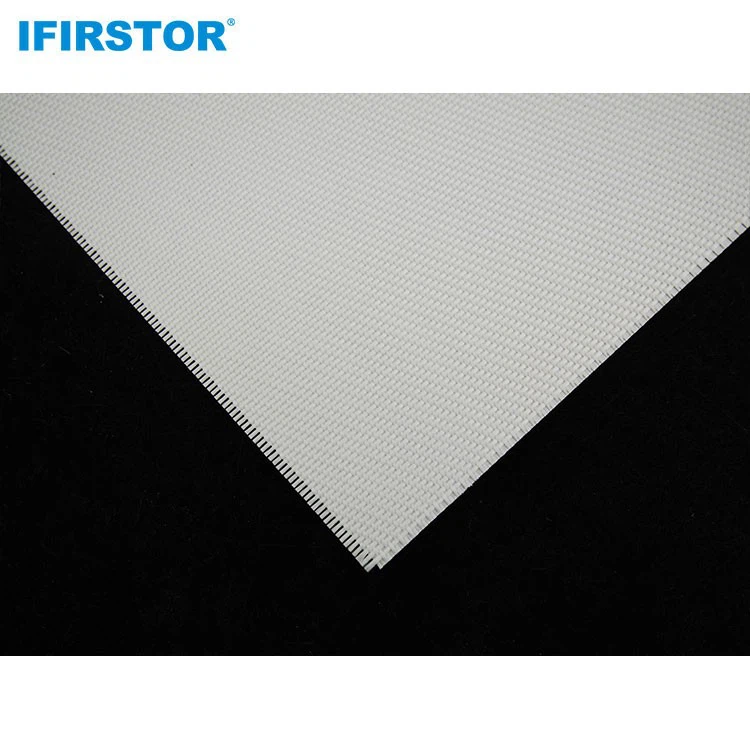
The structure of these filters is key to their functionality. The high silica fiberglass is woven or non - woven to form a matrix. In a woven structure, the fibers are interlaced in a regular pattern, kind of like how you'd weave a piece of cloth. This creates a network of pores of consistent size. In non - woven structures, the fibers are randomly arranged and bonded together. This gives a more complex pore structure, but it can be just as effective for filtering.
The size of the pores in these filters is carefully controlled during the manufacturing process. Depending on the application, the pore size can range from very small (able to capture tiny particles) to larger for applications where larger debris needs to be filtered out.
Mechanisms of Filtration
There are a few main ways that high silica fiberglass filters do their job:
Screening
This is the most basic form of filtration. As the fluid (it could be a gas or a liquid) passes through the filter, particles that are larger than the pores of the filter get stuck on the surface. It's like trying to pass a bunch of different - sized balls through a sieve. The big balls just can't make it through, and they stay on top of the sieve. For example, in industrial settings where molten metals are being filtered, large impurities like slag or other solid chunks can be removed by this screening mechanism.
Interception
Particles that are smaller than the pores can still get caught in the filter. This happens when the particles' path takes them close enough to the filter fibers. The particles can then attach to the fibers due to forces like van der Waals forces. It's a bit like how a fly can get stuck on a sticky surface even if it's much smaller than the overall structure of the surface. In the context of filtering gases, fine dust particles might be intercepted by the high silica fiberglass fibers as the gas flows through the filter.

Diffusion
This mechanism is especially important for very small particles, like nanoparticles. These tiny particles move in a random, zig - zag motion due to collisions with the molecules in the fluid (this is called Brownian motion). As they move around, they are more likely to come into contact with the filter fibers and get trapped. It's similar to how pollen in the air can randomly bump into a spider's web and get stuck.
Applications of High Silica Fiberglass Filters
High silica fiberglass filters are used in a wide range of industries.
Metal Casting Industry
In the metal casting world, molten metals contain impurities that can affect the quality of the final product. High silica fiberglass filters are used to remove these impurities. They can handle the extremely high temperatures of molten metals, such as aluminum. For example, Aluminum Melt Filter Screen is a popular product in this industry. These screens help to ensure that the cast metal is of high quality and free from defects.
Chemical Industry
In chemical processes, gases and liquids often need to be purified. High silica fiberglass filters can be used to remove solid particles, catalysts, or other impurities from chemical streams. Their high heat resistance is also beneficial in chemical reactions that occur at elevated temperatures.
Power Generation
Power plants, especially coal - fired power plants, need to filter out particulates from the flue gases to meet environmental regulations. High silica fiberglass filters can withstand the high - temperature flue gases and effectively capture fine dust particles, helping to reduce air pollution.
Types of High Silica Fiberglass Filters
There are several types of high silica fiberglass filters available, and each has its own unique properties and applications.
Fiberglass Fabrics Mesh Filter Bag
These filter bags are made from high - quality fiberglass fabrics. They are flexible and can be used in a variety of filtration systems. The mesh structure allows for efficient filtration while maintaining good flow rates. They are often used in applications where large volumes of fluid need to be filtered, such as in industrial wastewater treatment.
Woven Fiberglass Filter Bags
Woven filter bags have a more regular and uniform structure compared to non - woven ones. This makes them ideal for applications where precise particle size control is required. They are commonly used in the food and beverage industry to filter out impurities from liquids like juices and wines.
Fiberglass Mesh Filters
These filters are made from a mesh of high silica fiberglass. They are lightweight and easy to install. They are often used in air filtration systems, such as in HVAC units, to remove dust and other airborne particles.
Molten Aluminum Filtration Fabric
As the name suggests, this fabric is specifically designed for filtering molten aluminum. It can withstand the high temperatures of molten aluminum and effectively remove impurities, ensuring the quality of the cast aluminum products.
Advantages of High Silica Fiberglass Filters
One of the biggest advantages of high silica fiberglass filters is their high heat resistance. They can operate at temperatures that would destroy many other types of filters. This makes them suitable for high - temperature applications, such as in the metal and glass industries.
They are also very durable. The high silica content gives the fibers a high strength - to - weight ratio, which means they can withstand mechanical stress without breaking easily. Additionally, they are resistant to chemical corrosion, which is important in industries where the filtered fluids may be corrosive.
Maintenance of High Silica Fiberglass Filters
To keep high silica fiberglass filters working effectively, regular maintenance is necessary. This can involve cleaning the filters to remove the accumulated particles. Depending on the application, different cleaning methods can be used. For example, in some cases, back - flushing with air or water can be used to dislodge the particles from the filter.
It's also important to monitor the pressure drop across the filter. As the filter gets clogged with particles, the pressure drop will increase. When the pressure drop reaches a certain level, it may be time to replace the filter or clean it more thoroughly.
Why Choose Our High Silica Fiberglass Filters?
As a supplier of high silica fiberglass filters, we take pride in offering high - quality products. Our filters are made from the best - quality high silica fiberglass, ensuring excellent performance and durability. We also have a wide range of products to meet different customer needs. Whether you need a filter for molten metal filtration or air purification, we've got you covered.
If you're interested in our high silica fiberglass filters or want to learn more about how they can work for your specific application, don't hesitate to reach out. We're always happy to discuss your requirements and help you find the perfect solution.
In conclusion, high silica fiberglass filters are a remarkable technology that plays a crucial role in many industries. Their unique combination of high heat resistance, durability, and effective filtration mechanisms makes them a top choice for a wide range of applications. So, if you're in the market for a reliable filtration solution, consider high silica fiberglass filters.
References
- "Handbook of Filtration Technology"
- "Advanced Materials for High - Temperature Filtration"
- Industry reports on metal casting and chemical processing