

Can Acrylic Coated Fiberglass Fabric be printed on?
Dec 26, 2025
As a supplier of Acrylic Coated Fiberglass Fabric, I often encounter inquiries from customers about the printability of this material. In this blog post, I'll delve into the topic to provide a comprehensive understanding of whether acrylic coated fiberglass fabric can be printed on, the methods involved, and the factors to consider.
Understanding Acrylic Coated Fiberglass Fabric
Acrylic coated fiberglass fabric is a versatile material known for its excellent strength, durability, and resistance to heat, chemicals, and UV rays. The fiberglass base provides a high - strength framework, while the acrylic coating adds flexibility, weather resistance, and a smooth surface finish. These properties make it suitable for a wide range of applications, including industrial covers, awnings, banners, and more.
Printability of Acrylic Coated Fiberglass Fabric
The short answer is yes, acrylic coated fiberglass fabric can be printed on. The smooth surface of the acrylic coating provides an ideal substrate for various printing techniques. However, the success of the printing process depends on several factors, such as the type of ink used, the printing method, and the quality of the fabric.
Printing Methods
- Screen Printing
Screen printing is a popular method for printing on acrylic coated fiberglass fabric. It involves forcing ink through a mesh screen onto the fabric. This method is suitable for large - scale production and can produce high - quality, durable prints. The ink used in screen printing is typically a solvent - based or water - based ink, depending on the requirements of the application. Solvent - based inks offer better adhesion and durability, while water - based inks are more environmentally friendly. - Digital Printing
Digital printing has become increasingly popular in recent years due to its flexibility and ability to produce high - resolution prints. It uses a digital printer to apply ink directly onto the fabric. Digital printing is ideal for small - scale production, short - run jobs, and custom designs. It can also reproduce complex colors and patterns with high accuracy. However, the ink used in digital printing needs to be specifically formulated for acrylic coated surfaces to ensure good adhesion and colorfastness. - Heat Transfer Printing
Heat transfer printing involves applying a design to a transfer paper using a printer and then transferring the design onto the fabric using heat and pressure. This method is suitable for producing high - quality, full - color prints with fine details. Heat transfer printing is often used for printing logos, graphics, and photographic images on acrylic coated fiberglass fabric.
Factors Affecting Print Quality
- Ink Compatibility
The ink used for printing on acrylic coated fiberglass fabric must be compatible with the fabric's surface. Incompatible inks may not adhere properly, resulting in poor print quality, fading, or peeling. It is essential to choose inks that are specifically formulated for use on acrylic coated surfaces. - Fabric Surface Preparation
Proper surface preparation is crucial for achieving good print quality. The fabric should be clean and free of dust, dirt, and oils before printing. In some cases, a primer may be applied to the fabric surface to improve ink adhesion. - Printing Conditions
The printing conditions, such as temperature, humidity, and pressure, can also affect the print quality. For example, high humidity can cause the ink to dry slowly, leading to smudging and poor adhesion. It is important to control these conditions during the printing process to ensure consistent results.
Applications of Printed Acrylic Coated Fiberglass Fabric
Printed acrylic coated fiberglass fabric has a wide range of applications in various industries:
- Advertising and Signage
The ability to print high - quality graphics and logos makes acrylic coated fiberglass fabric an ideal material for advertising banners, billboards, and signs. The fabric's durability and weather resistance ensure that the prints remain vibrant and visible for a long time. - Awnings and Canopies
Printed acrylic coated fiberglass fabric can be used to create stylish and functional awnings and canopies. The fabric's UV resistance protects against sun damage, while the prints can add a decorative touch to the outdoor space. - Industrial Covers
In the industrial sector, printed acrylic coated fiberglass fabric can be used to create covers for machinery, equipment, and storage areas. The prints can include safety instructions, company logos, or product information.
Comparison with Other Coated Fiberglass Fabrics
Acrylic coated fiberglass fabric is not the only type of coated fiberglass fabric available. Other popular options include PVC Coated Fiberglass Fabric, Aluminum Foil Laminated Fiberglass Fabric, and PU Coated Fiberglass Fabric.

- PVC Coated Fiberglass Fabric: PVC coated fabric is known for its high strength, waterproofness, and flame resistance. It can also be printed on using similar methods as acrylic coated fabric. However, PVC is less environmentally friendly compared to acrylic.
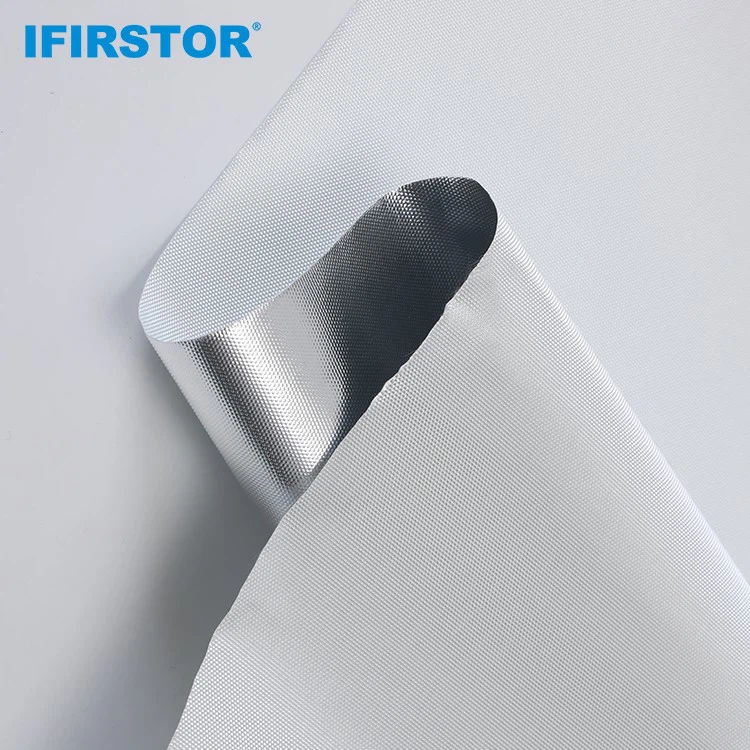
- Aluminum Foil Laminated Fiberglass Fabric: This fabric combines the heat - reflective properties of aluminum foil with the strength of fiberglass. Printing on aluminum foil laminated fabric may require special inks and techniques due to the reflective surface.
- PU Coated Fiberglass Fabric: PU coated fabric offers excellent flexibility and abrasion resistance. It can be printed on using digital or screen printing methods. However, the printability may be affected by the type of PU coating used.
Considerations for Printing on Acrylic Coated Fiberglass Fabric
- Colorfastness
Ensure that the ink used for printing has good colorfastness, especially if the fabric will be exposed to sunlight or harsh environmental conditions. This will prevent the colors from fading over time. - Washability
If the printed fabric will need to be washed, choose an ink and printing method that can withstand washing without losing its quality. - Cost
The cost of printing on acrylic coated fiberglass fabric can vary depending on the printing method, the complexity of the design, and the quantity of prints. Consider your budget when choosing a printing method.
Conclusion
In conclusion, acrylic coated fiberglass fabric can be successfully printed on using various methods, including screen printing, digital printing, and heat transfer printing. The key to achieving high - quality prints lies in choosing the right printing method, ink, and ensuring proper surface preparation and printing conditions. As a supplier of acrylic coated fiberglass fabric, I can provide you with high - quality fabric suitable for printing and offer advice on the best printing solutions for your specific needs.
If you are interested in purchasing acrylic coated fiberglass fabric for printing or have any questions about the printing process, please feel free to contact me for further discussion and procurement negotiation.
References
- "Textile Printing Technology" by John Wiley & Sons
- "Fiberglass Fabric Handbook" by Fiberglass Manufacturers Association